Category: Non classé

  • Quit Fast Food Notion Template

    Quit Fast Food Notion Template

    Breaking free from fast food feels challenging. However, you absolutely can succeed. Therefore, this guide introduces your secret weapon. Specifically, the Quit Fast Food Notion Template transforms daily choices. Moreover, it turns small wins into visible momentum. Consequently, you gain control without overwhelm. Additionally, this digital planner lives right on your phone. Furthermore, it adapts to your real-life schedule. Thus, healthy habits stick naturally. Finally, your streak becomes your strength.

    Quit Fast Food Notion Template dashboard showing streak counter and meal planner

    First, acknowledge this truth. Willpower alone rarely wins long-term. However, systems create lasting change. Therefore, this Notion template builds your personal habit system. Additionally, it replaces guilt with gentle guidance. Specifically, you log cravings the moment they strike. Then, you spot hidden patterns instantly. Consequently, you prepare smarter strategies tomorrow. Moreover, every smoke-free meal builds pride visually. Thus, your brain rewires toward joy, not restriction. Finally, you never face cravings alone.

    What Exactly Is This Quit Fast Food Notion Template?

    Simply put, it is your compassionate digital eating coach. Specifically, it lives inside Notion—a free app you already use daily. Therefore, no new subscriptions clutter your life. Additionally, it combines streak tracking, craving logs, and progress visuals in one place. Moreover, you customize every section to match your journey. Consequently, it feels uniquely yours from minute one. Furthermore, setup takes under three minutes. Thus, you start building momentum immediately. Finally, it grows with you through tough lunches and triumphant dinners.

    Importantly, this template avoids shame-based language completely. Instead, it celebrates effort over perfection. For example, a skipped healthy meal becomes a learning note. Therefore, guilt never derails your progress. Additionally, visual streak counters spark genuine dopamine hits. Specifically, seeing “7 Days Strong” builds unstoppable confidence. Moreover, the template reminds you why you began. Consequently, purpose fuels persistence during drive-thru urges. Finally, you own your journey without judgment.

    Essential Features Inside Your Fast Food Quit Tracker

    Every tool serves one clear purpose: make healthy choices feel achievable. Therefore, we designed features for real human moments. Additionally, simplicity guides every tap and click. Consequently, logging takes seconds, not minutes. Moreover, these elements work together like a supportive friend. Specifically, craving data fuels your weekly strategy. Thus, your entire journey connects meaningfully. Finally, you gain insights paper journals cannot provide.

    Streak Tracker For Daily Motivation Boost

    First, your current streak displays boldly on opening. Therefore, you see progress before cravings hit. Additionally, color-coded calendars make consistency satisfying. Specifically, green blocks grow visually with each win. Moreover, the template gently notes streak milestones. Consequently, “Day 3” triggers a celebration prompt. Furthermore, losing a streak resets with compassion—not criticism. Thus, you restart faster after slip-ups. Finally, this visual proof builds unshakable self-trust.

    Craving Log To Understand Your Triggers

    Cravings hold valuable clues. Therefore, log them instantly using quick-tap buttons. Specifically, note time, emotion, location, and craving intensity. Additionally, tag common triggers like “stress” or “boredom.” Moreover, this builds your personal craving playbook over time. Consequently, you recognize patterns like “3 PM fatigue = apple slices work.” Furthermore, pairing new habits (chugging water, walking) replaces old rituals. Thus, your brain builds healthier automatic responses. Finally, seeing craving frequency drop visually fuels hope.

    Progress Dashboard With Real Impact Metrics

    Numbers tell powerful stories your heart believes. Therefore, watch streaks climb daily. Additionally, see money saved fund a meaningful reward. Specifically, the dashboard converts effort into concrete wins like “Saved $42 this month!” Moreover, health milestones appear automatically—like “Energy boost since Day 5!” Consequently, pride replaces doubt during tough moments. Furthermore, sharing screenshots with a support buddy boosts accountability. Thus, progress feels tangible and celebrated. Finally, scrolling back through weeks reminds you how far you’ve come.

    Weekly Goal Setting That Actually Sticks

    Vague goals fade quickly. Therefore, define tiny, joyful targets each Sunday. For instance, “Pack lunch Tuesday and Thursday” replaces “Eat healthier.” Additionally, goals tie directly to your craving log insights. Specifically, if stress triggers drive-thru visits, schedule 5-minute breathing breaks. Moreover, celebrating small wins builds unstoppable momentum. Consequently, motivation compounds week after week. Furthermore, the template suggests gentle prompts if you feel stuck. Thus, planning feels supportive, not stressful. Finally, you adjust goals freely as your confidence grows.

    How To Start Using Your Template Today

    Getting started requires only three effortless steps. First, purchase the template through the secure link below. Next, open it in your Notion app and click “Duplicate.” Therefore, it instantly lives in your personal workspace. Additionally, customize colors or sections in under two minutes. Specifically, add your start date and first tiny goal. Moreover, spend just 30 seconds each morning reviewing your plan. Consequently, intention sets the tone for your entire day. Furthermore, logging entries takes mere taps during busy moments. Thus, consistency happens effortlessly. Finally, your journey begins the moment you decide—no perfect timing needed.

    Importantly, pair the template with one supportive action today. For example, delete food delivery apps or prep healthy snacks tonight. Therefore, digital tracking combines with real-world commitment. Additionally, place your water bottle beside your keys tonight. Specifically, this ensures hydration before lunch cravings hit. Moreover, success builds on tiny, repeated actions—not grand gestures. Consequently, you create momentum before urges even appear. Finally, trust the process even on imperfect days.

    Why Digital Tracking Beats Paper Journals For Food Habits

    Paper journals often hide in drawers after week one. However, your phone stays within reach always. Therefore, digital logging happens in real time—right after lunch. Additionally, search functions find past entries instantly. Specifically, type “stress” to review all related logs. Moreover, automatic calculations show progress without manual math. Consequently, you gain insights faster and deeper. Furthermore, cloud backups prevent lost progress during emotional moments. Thus, your data stays safe and encouraging. Finally, visual charts make abstract effort feel concrete and rewarding.

    Equally important, digital tools reduce friction dramatically. For instance, one tap logs a craving versus writing paragraphs. Therefore, you stay consistent even on exhausting days. Additionally, gentle notifications nudge you kindly without pressure. Specifically, “How did lunch go?” appears only if you skip logging. Moreover, this compassion builds trust in your own process. Consequently, the tool feels like a friend, not a critic. Finally, accessibility across devices ensures continuity everywhere you go.

    Science-Backed Strategies To Pair With Your Tracker

    Tracking works best alongside simple, actionable techniques. Therefore, try these proven methods daily. First, the “10-Minute Rule” delays cravings effectively. Specifically, when urges strike, wait ten minutes while sipping water. Additionally, keep crunchy veggies pre-cut for oral fixation. Moreover, take a short walk when drive-thru thoughts arise—movement resets your mind. Consequently, you create space between trigger and reaction. Furthermore, text a support person using your template’s contact list. Thus, connection dissolves isolation instantly. Finally, celebrate healthy meals with a tiny reward like favorite music.

    Crucially, forgive slip-ups immediately and completely. Therefore, log them honestly without self-blame. Additionally, analyze what happened to prevent repeats. Specifically, “Rainy Tuesday + skipped breakfast = high risk” becomes useful data. Moreover, your template’s reflection section turns setbacks into wisdom. Consequently, resilience grows stronger than shame. Furthermore, tomorrow always offers a fresh start. Thus, progress continues even after imperfect moments. Finally, your journey remains uniquely yours—no comparison needed.

    Who Benefits Most From This Fast Food Quit Template?

    Honestly, anyone ready to try a kinder approach to eating. Specifically, busy parents gain quick logging between school runs. Additionally, office workers use it to navigate lunch decisions confidently. Moreover, visual learners thrive with progress charts and color coding. Consequently, abstract goals become vividly achievable. Furthermore, repeat attempters find fresh hope through data-driven insights. Thus, consistency fits into chaotic schedules. Finally, if you seek compassion over criticism, this template serves you perfectly.

    Importantly, this tool supports all eating journeys. Therefore, whether reducing fast food gradually or going cold turkey, tracking adapts. Additionally, partners or coaches use shared views for gentle support. Specifically, permission-based access keeps you in control. Moreover, celebrating non-scale victories—like better sleep or clearer skin—builds holistic motivation. Consequently, health improvements become visible milestones. Finally, your definition of success guides the entire experience.

    Your First Week: Simple Step-By-Step Plan

    Monday: Duplicate your template. Then log today’s meals honestly. Therefore, you establish a baseline without judgment. Additionally, set one tiny goal: “Drink one extra glass of water.” Specifically, small wins build confidence fast. Moreover, note your top craving trigger tonight. Consequently, you prepare for Tuesday strategically. Furthermore, celebrate logging your first entry—that’s courage!

    Tuesday: Review Monday’s log over morning coffee. Then pack one healthy snack for afternoon cravings. Therefore, you disrupt autopilot habits gently. Additionally, use the craving log the moment urges hit. Specifically, type “stress” and “3 PM” to build your pattern map. Moreover, end the day noting one win—however small. Consequently, positivity rewires your brain. Finally, your streak counter clicks to Day 2. You’ve got this.

    Begin Your Healthier Eating Journey Right Now

    Your future self is waiting for this single decision. Therefore, take one small step today. Specifically, click the link below to get instant access. Additionally, duplicate the template before bedtime tonight. Moreover, wake up tomorrow already equipped with your planner. Consequently, Day 1 begins with intention, not anxiety. Furthermore, thousands have walked this path using this exact tool. Thus, you join a quiet community of resilient changemakers. Finally, remember: every healthy meal rebuilds your energy and joy.

    Ready to trade drive-thru stress for kitchen confidence? Then claim your Quit Fast Food Notion Template now. Moreover, your journey deserves this simple, powerful support. Therefore, click below and start building the eating habits you imagine. Additionally, your wallet, energy levels, and peace of mind will thank you daily. Finally, you’ve got this—and this template walks beside you every step.

    Disclaimer: This template complements but does not replace medical or nutritional advice. Therefore, consult your healthcare provider before making significant dietary changes. Additionally, seek professional support for personalized eating plans. Your health journey deserves expert guidance alongside digital tools.


    Why Simple Language Makes Healthy Choices Feel Possible

    Complex instructions increase stress during cravings. However, short sentences reduce mental load instantly. Therefore, this template uses clear, calm language intentionally. Additionally, every prompt avoids judgmental terms like “cheat” or “fail.” Specifically, words like “pause,” “adjust,” and “continue” foster self-kindness. Moreover, reading ease stays high so focus remains on action. Consequently, your brain conserves energy for the real work: healing. Finally, simplicity becomes your quiet superpower.

    Your Next Healthy Choice Starts Now

    Close this page and take one slow breath. Then open your Notion app. Next, duplicate your new template. Therefore, your journey gains structure in under five minutes. Additionally, log your very first healthy meal today. Moreover, that single action builds irreversible momentum. Consequently, tomorrow feels lighter because you began today. Finally, trust your courage—you are stronger than you know.

    (more…)
  • Quit Smoking Notion Template

    Quit Smoking Notion Template

    Quitting smoking feels tough. However, you absolutely can succeed. Therefore, this guide reveals your secret weapon. Specifically, the Quit Smoking Notion Template transforms your journey. Moreover, it turns struggle into structured success. Consequently, you gain daily clarity and control. Additionally, this digital planner fits perfectly in your pocket. Furthermore, it adapts to your unique rhythm. Thus, you build smoke-free habits that last. Finally, motivation stays strong because progress stays visible.

    Quit Smoking Notion Template dashboard overview showing progress trackers and weekly goals

    First, understand this truth. Willpower alone often fades. However, systems create lasting change. Therefore, this Notion template builds your personal quit-smoking system. Additionally, it replaces guesswork with gentle guidance. Specifically, you log cravings the moment they hit. Then, you spot patterns hiding in plain sight. Consequently, you prepare smarter strategies tomorrow. Moreover, every small win gets celebrated visually. Thus, your brain rewires toward pride, not punishment. Finally, you never feel alone in the struggle.

    Notion quit smoking dashboard with mood tracker and craving log

    What Exactly Is This Quit Smoking Notion Template?

    Simply put, it is your digital quit-smoking companion. Specifically, it lives inside Notion—a free app you already use. Therefore, no new subscriptions clutter your life. Additionally, it combines planning, tracking, and encouragement in one place. Moreover, you customize every section to match your needs. Consequently, it feels uniquely yours from day one. Furthermore, setup takes under five minutes. Thus, you start tracking progress immediately. Finally, it grows with you through tough days and triumphant milestones.

    Importantly, this template avoids shame-based language. Instead, it focuses on compassionate progress. For example, missed days become learning moments. Therefore, guilt never derails your journey. Additionally, visual progress bars spark genuine pride. Specifically, seeing seven smoke-free days builds momentum. Moreover, the template reminds you why you began. Consequently, purpose fuels persistence during cravings. Finally, you own your story without judgment.

    Daily habit tracker in Notion showing smoke-free streak and water intake

    Essential Features Inside Your Quit Smoking Planner

    Every feature serves one clear purpose: make quitting feel achievable. Therefore, we designed tools that fit real life. Additionally, simplicity guides every interaction. Consequently, you spend seconds logging, not minutes stressing. Moreover, these elements work together seamlessly. Specifically, data from one section fuels motivation elsewhere. Thus, your entire journey connects meaningfully. Finally, you gain insights paper journals cannot provide.

    Weekly Goal Setting That Actually Works

    First, you define tiny, joyful targets each Sunday. For instance, “Walk 10 minutes after lunch” replaces “Exercise more.” Therefore, vagueness disappears completely. Additionally, goals tie directly to craving management. Specifically, you link activities to high-risk triggers. Moreover, celebrating small wins builds unstoppable confidence. Consequently, motivation compounds week after week. Furthermore, the template suggests gentle prompts if you feel stuck. Thus, planning feels supportive, not stressful. Finally, you adjust goals freely as your strength grows.

    Real-Time Craving & Habit Tracker

    Cravings last minutes, not hours. Therefore, log them instantly using your phone. Specifically, tap to record time, trigger, and intensity. Additionally, note what soothed the urge successfully. Moreover, this creates a personal craving playbook over time. Consequently, you recognize patterns like “3 PM stress = deep breathing works.” Furthermore, pairing new habits (drinking water, stretching) replaces old rituals. Thus, your brain builds healthier automatic responses. Finally, seeing craving frequency drop visually fuels hope.

    Progress analytics chart showing decreasing craving frequency over weeks

    Visual Progress Dashboard For Instant Motivation

    Numbers tell powerful stories. Therefore, watch your smoke-free hours climb daily. Additionally, see money saved fund a meaningful reward. Specifically, the dashboard converts abstract effort into concrete wins. Moreover, health milestones appear automatically—like “Lungs healing since Day 3!” Consequently, pride replaces doubt during tough moments. Furthermore, sharing screenshots with a support buddy boosts accountability. Thus, progress feels tangible and celebrated. Finally, scrolling back through weeks reminds you how far you’ve come.

    Personal Reflection Prompts For Deeper Growth

    Quiet moments build lasting change. Therefore, gentle prompts guide daily reflection. Specifically, “What made today easier?” uncovers hidden strengths. Additionally, “How did my body feel different?” highlights physical wins. Moreover, writing reduces anxiety’s grip on your mind. Consequently, you process emotions without reaching for cigarettes. Furthermore, these notes become a legacy of resilience. Thus, future-you gains wisdom from present-you’s courage. Finally, reflection transforms struggle into self-knowledge.

    Weekly planner section with reflection prompts and goal review

    How To Start Using Your Quit Smoking Template Today

    Getting started requires only three simple steps. First, purchase the template through the secure link below. Next, open it in your Notion app and click “Duplicate.” Therefore, it instantly lives in your personal workspace. Additionally, customize colors or sections in under two minutes. Specifically, add your quit date and first small goal. Moreover, spend just 60 seconds each morning reviewing your plan. Consequently, intention sets the tone for your entire day. Furthermore, log entries take mere taps during busy moments. Thus, consistency happens effortlessly. Finally, your journey begins the moment you decide—no perfect timing needed.

    Importantly, pair the template with one supportive action today. For example, delete lighter apps or tell one friend your plan. Therefore, digital tracking combines with real-world commitment. Additionally, place your phone charger near your bed tonight. Specifically, this ensures morning access to your planner. Moreover, success builds on tiny, repeated actions—not grand gestures. Consequently, you create momentum before cravings even appear. Finally, trust the process even on imperfect days.

    Mobile view of quit smoking tracker showing quick-log buttons

    Why Digital Tracking Beats Paper Journals For Quitting

    Paper journals often get forgotten in drawers. However, your phone stays within reach always. Therefore, digital logging happens in real time. Additionally, search functions find past entries instantly. Specifically, type “stress” to review all related logs. Moreover, automatic calculations show progress without manual math. Consequently, you gain insights faster and deeper. Furthermore, backups prevent lost progress during emotional moments. Thus, your data stays safe and encouraging. Finally, visual charts make abstract effort feel concrete and rewarding.

    Equally important, digital tools reduce friction. For instance, one tap logs a craving versus writing paragraphs. Therefore, you stay consistent even on exhausting days. Additionally, gentle notifications nudge you kindly without pressure. Specifically, “How’s your day going?” appears only if you skip logging. Moreover, this compassion builds trust in your own process. Consequently, the tool feels like a friend, not a critic. Finally, accessibility across devices ensures continuity everywhere you go.

    Analytics view showing health improvements and money saved metrics

    Proven Strategies To Pair With Your Notion Template

    Tracking works best alongside actionable techniques. Therefore, try these science-backed methods daily. First, the 4-7-8 breathing exercise calms cravings fast. Specifically, inhale 4 seconds, hold 7, exhale 8. Additionally, keep crunchy veggies handy for oral fixation. Moreover, walk around the block when urges strike—movement resets your mind. Consequently, you create space between trigger and reaction. Furthermore, text a support person using your template’s contact list. Thus, connection dissolves isolation instantly. Finally, celebrate smoke-free hours with a tiny reward like herbal tea.

    Crucially, forgive slip-ups immediately. Therefore, log them honestly without self-blame. Additionally, analyze what happened to prevent repeats. Specifically, “Rainy Tuesday + skipped lunch = high risk” becomes useful data. Moreover, your template’s reflection section turns setbacks into wisdom. Consequently, resilience grows stronger than shame. Furthermore, tomorrow always offers a fresh start. Thus, progress continues even after imperfect moments. Finally, your journey remains uniquely yours—no comparison needed.

    Who Benefits Most From This Quit Smoking Template?

    Honestly, anyone ready to try a kinder approach. Specifically, first-time quitters gain clear structure without overwhelm. Additionally, repeat attempters find fresh hope through data-driven insights. Moreover, visual learners thrive with progress charts and color coding. Consequently, abstract goals become vividly achievable. Furthermore, busy parents or professionals appreciate quick mobile logging. Thus, consistency fits into chaotic schedules. Finally, detail-oriented planners love customizable sections. Ultimately, if you seek compassion over criticism, this template serves you.

    Importantly, this tool supports all quitting methods. Therefore, whether using patches, cold turkey, or counseling, tracking adapts. Additionally, partners or coaches use shared views for gentle support. Specifically, permission-based access keeps you in control. Moreover, celebrating non-scale victories—like clearer skin or deeper breaths—builds holistic motivation. Consequently, health improvements become visible milestones. Finally, your definition of success guides the entire experience.

    Begin Your Smoke-Free Journey Right Now

    Your future self is waiting for this decision. Therefore, take one small step today. Specifically, click the link below to get instant access. Additionally, duplicate the template before bedtime tonight. Moreover, wake up tomorrow already equipped with your planner. Consequently, Day 1 begins with intention, not anxiety. Furthermore, thousands have walked this path using this exact tool. Thus, you join a quiet community of resilient quitters. Finally, remember: every smoke-free minute rebuilds your health and hope.

    Ready to trade smoke for strength? Then claim your Quit Smoking Notion Template now. Moreover, your journey deserves this simple, powerful support. Therefore, click below and start building the smoke-free life you imagine. Additionally, your lungs, wallet, and peace of mind will thank you daily. Finally, you’ve got this—and this template walks beside you every step.

    Disclaimer: This template complements but does not replace medical advice. Therefore, consult your healthcare provider before quitting smoking. Additionally, seek professional support for personalized cessation plans. Your health journey deserves expert guidance alongside digital tools.


    Why Simple Language Makes Quitting Feel Possible

    Complex instructions increase stress. However, short sentences reduce mental load during cravings. Therefore, this template uses clear, calm language intentionally. Additionally, every prompt avoids judgmental terms like “failure.” Specifically, words like “pause,” “adjust,” and “continue” foster self-kindness. Moreover, reading ease scores stay high so focus remains on action. Consequently, your brain conserves energy for the real work: healing. Finally, simplicity becomes your quiet superpower.

    Your Next Breath Starts Now

    Close this page and take one slow breath. Then open your Notion app. Next, duplicate your new template. Therefore, your journey gains structure in under five minutes. Additionally, log your very first smoke-free hour today. Moreover, that single action builds irreversible momentum. Consequently, tomorrow feels lighter because you began today. Finally, trust your courage—you are stronger than you know.

    (more…)
  • Tasbih Counter App

    Tasbih Counter App

    📿 Misbaha Digital – Your Simple & Elegant Tasbih Counter App 

    Download on Google Play: https://play.google.com/store/apps/details?id=com.misbahadialaminelfenlghzalhh.appdialsiaminee

    If you’re looking for a peaceful, respectful, and distraction-free way to keep track of your daily Dhikr and Tasbih on your phone, Misbaha Digital is one of the best choices on Google Play. Designed with clarity, privacy, and beautiful presentation in mind, this app brings the simplicity of traditional prayer beads into a modern digital experience that helps you stay consistent with your spiritual goals. (Google Play)


    ✅ What Is Misbaha Digital?

    Misbaha Digital is a digital Misbaha / Tasbih counter app that lets Muslims around the world count Dhikr easily on their mobile device without the need for physical prayer beads. The app focuses on a clear, elegant layout with easy one-tap counting and thoughtful design that supports both Arabic and transliteration display. (Google Play)


    📲 Key Features That Users Love

    🔹 One-Tap Counting

    Forget manual bead movement — with a single tap, Misbaha Digital increases your count instantly. It’s intuitive for users of all ages and keeps your mind focused on the remembrance itself. (Google Play)

    🔹 Pre-Loaded Dhikr & Custom Entries

    Whether you’re reciting SubhanallahAlhamdulillahAllahu AkbarAstaghfirullah, or La ilaha illallah, the app includes commonly used Dhikr options. Plus, you can add custom Dhikr to match your personal supplications. (Google Play)

    🔹 Dark & Light Modes

    Designed for comfort during daytime or nighttime use, Misbaha Digital supports both dark and light themes to reduce eye strain and make long Dhikr sessions more pleasant. (Google Play)

    🔹 Local Privacy

    All your Dhikr counts are stored locally on your device — no account neededno ads, and no data collection. This keeps your spiritual practice private and uninterrupted. (Google Play)


    🧘‍♂️ Why Use a Digital Tasbih Counter?

    Digital tasbih counter apps like Misbaha Digital are becoming increasingly popular because they solve common issues with traditional prayer beads:

    ✔️ Accuracy

    Never lose count again — digital counters help you focus on the meaning of your Dhikr, not the numbers. (tasbihhub.com)

    ✔️ Convenience

    You carry your phone everywhere; now your Tasbih counter can be right in your pocket. Apps fit into daily life — during commutes, breaks, or quiet moments. (tasbihhub.com)

    ✔️ Privacy

    Digital counting can be done discreetly in public or at work, making it easier to maintain your practice anywhere. (tasbihhub.com)

    ✔️ Accessibility

    For people with arthritis or limited finger mobility, digital counters make it easy to count without physical strain. (tasbihhub.com)


    🕌 Tips to Boost Your Spiritual Practice

    Here’s how you can make the most of your Dhikr with Misbaha Digital:

    • Set daily targets — aim for a specific number of Dhikr each day.
    • Create custom lists — add personal supplications that matter to you.
    • Use daily routines — integrate Dhikr after Salah or during quiet moments.
    • Stay consistent — small daily practices build a stronger spiritual routine.

    📥 How to Download

    Tap the link below to install Misbaha Digital on your Android device from Google Play:

    👉 https://play.google.com/store/apps/details?id=com.misbahadialaminelfenlghzalhh.appdialsiaminee

    Download it today and bring your Dhikr into a modern, elegant digital experience! (Google Play)


  • ESP32 LED Blink in Proteus8 Simulation

    ESP32 LED Blink in Proteus8 Simulation

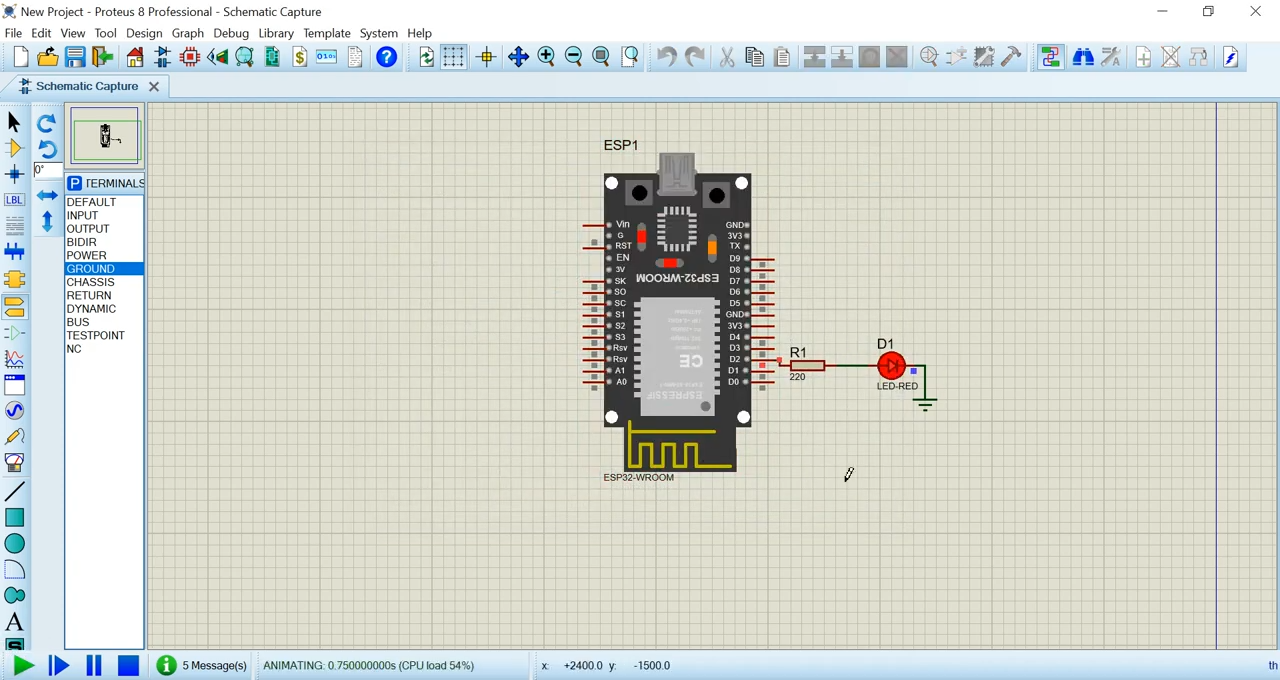
    Schematic of the ESP32 in proteus8

    ESP32 LED Blink Simulation

    give me a text with this article embedded telling readers that this is how to download the esp32 library for proteus 8: https://embeddelectronics.blog/2025/10/26/esp32-to-proteus/

    Learning to simulate an ESP32 with a blinking LED in Proteus8 is a smart first step for beginners. Moreover, it builds your confidence in both coding and circuit design. In this guide, you’ll discover how to add the ESP32 board, connect a red LED with a 220-ohm resistor, and upload code using the Arduino IDE. Let’s walk through each step clearly and simply.

    Why Simulate ESP32 LED Blink in Proteus8?

    First of all, simulation saves time and money. You don’t need physical hardware to test your ideas. Also, Proteus8 lets you visualize how your circuit behaves before building it. As a result, you avoid common mistakes like wrong wiring or incorrect resistor values. Most importantly, this method helps you learn faster and safer.

    Step 1: Add the ESP32 Library to Proteus8

    Before you start, make sure you’ve added the ESP32 library to Proteus8. If you haven’t, check the creator’s earlier video for exact steps. Once the library is installed, Proteus8 will recognize the ESP32 board. Consequently, you can drag and drop it into your workspace without issues.

    After that, open Proteus8 and click the component mode button. Then, type “ESP32” in the search bar. You’ll see a result labeled something like “ESP32 Dev Module” or “WROOM-32.” Select it and place it on the design area. This is your main microcontroller for the simulation.

    Step 2: Add the Red LED and 220-Ohm Resistor

    Next, you need two basic parts: a red LED and a resistor. In Proteus8, go back to the component library. Search for “LED-RED” and place it on the sheet. Then, search for “RESISTOR” and choose a generic one. After placing it, double-click the resistor to set its value to 220 ohms.

    Why 220 ohms? Because it limits current safely for a standard red LED powered by 3.3V (ESP32’s logic level). Without it, too much current could damage the LED or the ESP32 pin. Therefore, always use a current-limiting resistor—220Ω is perfect for this setup.

    Step 3: Wire the Circuit Correctly

    Now, connect the components properly. First, link one leg of the resistor to GPIO2 (often the built-in LED pin on many ESP32 boards). Then, connect the other end of the resistor to the anode (longer leg) of the red LED. After that, connect the cathode (shorter leg) of the LED to a ground (GND) pin on the ESP32.

    Additionally, ensure all ground terminals are connected. In Proteus8, use the ground symbol from the toolbar and attach it to the LED’s cathode. This completes the circuit. As a result, current can flow from GPIO2 → resistor → LED → ground when the pin is HIGH.

    Step 4: Write the Arduino Code for LED Blink

    Arduino IDE interface

    For the coding part, open the Arduino IDE. Even though you’re simulating an ESP32, you’ll use the Arduino framework because it’s beginner-friendly. First, install the ESP32 board package via Tools > Board > Boards Manager. Search for “ESP32” and install the official package by Espressif Systems.

    After installation, select “ESP32 Dev Module” (not Arduino Uno—this was a slip in the original video). Then, write or paste the following code. This sketch makes the LED blink once per second:

    // Basic LED Blink Sketch for ESP32
    
    // Built-in LED pin for many ESP32 boards
    const int LED_PIN = 2;
    
    void setup() {
      // Initialize the LED pin as an output:
      pinMode(LED_PIN, OUTPUT);
    }
    
    void loop() {
      digitalWrite(LED_PIN, HIGH); // turn the LED on (HIGH is the voltage level)
      delay(1000);              // wait for a second
      digitalWrite(LED_PIN, LOW);  // turn the LED off by making the voltage LOW
      delay(1000);              // wait for a second
    }

    Note: GPIO2 is commonly used as the built-in LED pin on many ESP32 development boards. However, always verify your specific board’s pinout. If your LED connects to a different GPIO, change `LED_PIN` accordingly.

    Step 5: Compile and Export the Binary File

    Once your code is ready, click the Verify (checkmark) button to compile it. If there are no errors, go to Sketch > Export Compiled Binary. This creates a .bin file in your sketch folder. Meanwhile, save your sketch with a clear name like “ESP32_LED_Blink_Tutorial” to avoid confusion later.

    After exporting, locate the .bin file. Usually, it appears in the same folder as your .ino file. You’ll need this file to load into the ESP32 component in Proteus8. So, remember where you saved it!

    Step 6: Load the Code into Proteus8 Simulation

    Return to Proteus8. Double-click the ESP32 component to open its properties. In the Program File field, browse and select your exported .bin file. Also, set the crystal frequency to 40MHz (standard for ESP32). Then, click OK to apply the settings.

    Next, click the Play button (simulate) in Proteus8. If everything is correct, the red LED will start blinking—one second on, one second off. If it doesn’t work, check your wiring, resistor value, and that the correct .bin file is loaded.

    Troubleshooting Common ESP32 Simulation Issues

    Sometimes the LED won’t blink. First, confirm you selected the right board in Arduino IDE (ESP32 Dev Module, not Arduino Uno). Secondly, ensure the .bin file matches your code. Moreover, verify that GPIO2 is connected—not all ESP32 pins support output the same way.

    Also, make sure Proteus8 has the correct ESP32 model file (usually a .pdsprj or .IDX file included with the library). Without it, simulation fails. If needed, re-download the ESP32 Proteus library from a trusted source.

    Benefits of Using a 220-Ohm Resistor with LED

    Why not use 100 ohms or 1k ohms? Because 220 ohms strikes the right balance. ESP32 operates at 3.3V, and a red LED typically drops 1.8–2.2V. Using Ohm’s Law (I = V/R), a 220Ω resistor limits current to about 5–7mA—safe for both the LED and the microcontroller.

    Higher resistance (e.g., 1kΩ) makes the LED dim. Lower resistance (e.g., 100Ω) risks drawing too much current, possibly damaging the ESP32. Therefore, 220Ω is the recommended value for red LEDs in 3.3V circuits.

    Expand Your Project: Add More Features

    Once the basic blink works, try adding features. For instance, use two LEDs on different pins and blink them alternately. Or, replace `delay()` with `millis()` for non-blocking code. Furthermore, simulate button inputs to control the LED—great practice for real-world projects.

    You can also simulate sensors like DHT11 or ultrasonic modules later. The same workflow applies: design circuit → write code → export .bin → load into Proteus8. As a result, your simulation skills grow steadily.

    Final Tips for Success

    Always double-check connections before simulating. Also, name your files clearly to avoid loading the wrong .bin. Moreover, keep your Arduino IDE and Proteus8 updated for best compatibility. Finally, refer to official ESP32 pinout diagrams—never assume pin functions.

    By following this guide, you’ve taken a solid first step into embedded systems. Whether you’re a student, hobbyist, or educator, simulating ESP32 projects builds real understanding. So, keep experimenting and learning!

    Don’t forget to like, subscribe, and visit the creator’s website for more tutorials. Your support helps bring more beginner-friendly content. Thank you—and happy simulating

  • Best Elegoo Kits for Embedded Electronics Beginners

    Best Elegoo Kits for Embedded Electronics Beginners

    Best Elegoo Arduino Kits for Beginners

    Are you ready to begin your journey into electronics and coding? If you’re new to embedded electronics for beginners, Arduino kits offer an ideal hands-on way to learn. Moreover, Elegoo Arduino kits stand out as top choices in 2025 for learners at every level. Whether you are a student, hobbyist, or curious newcomer, these kits blend affordability, quality, and real-world learning experiences.

    Furthermore, Elegoo keeps things simple and practical. Every kit includes step-by-step tutorials so you can move from basic circuits to real projects—without feeling lost. In fact, thousands of learners worldwide start with Elegoo because it makes embedded electronics for beginners feel approachable and fun.

    Why Elegoo Excels for Embedded Electronics Beginners

    Starting with embedded electronics for beginners can seem complex. However, Elegoo removes the confusion by designing kits with clear instructions, reliable parts, and beginner-first thinking. As a result, you spend less time troubleshooting and more time building.

    • Affordable pricing – Perfect for learners on a budget.
    • Easy-to-follow guides – Concepts build logically from one lesson to the next.
    • Expandable components – Start small and grow into advanced projects over time.

    Whether you’re working on a science fair or teaching yourself at home, Elegoo helps turn theory into real circuits you can touch, test, and improve. In short, it’s one of the smartest ways to begin learning embedded electronics for beginners.

    Elegoo UNO R3 Most Complete Starter Kit

    This kit is a favorite among new learners exploring embedded electronics for beginners. It comes packed with over 200 parts—sensors, resistors, LEDs, motors, and more—so you never run out of ideas.

    Key Features for Beginners

    • Fully compatible with Arduino IDE – Write and upload code with ease.
    • Includes UNO R3 board – The gold standard for beginner microcontrollers.
    • Step-by-step PDF tutorials – Teach core concepts like input/output, analog signals, and basic logic.

    Consequently, you can build your first LED blinker, a temperature reader, or even a mini alarm system. Because the lessons start simple and scale up, this kit builds confidence fast for anyone new to embedded electronics for beginners.

    Get it here: Elegoo UNO Super Starter Kit – $35.99 Or try this listing: Second UNO Kit Option – $35.99

    Elegoo Mega 2560 Project Starter Kit

    Once you’ve mastered the basics, the Elegoo Mega 2560 kit helps you level up your embedded electronics for beginners skills. This board offers far more memory and I/O pins than the UNO—ideal for complex builds.

    Why It’s Great for Growing Skills

    • 54 digital pins + 16 analog inputs – Control many sensors and outputs at once.
    • 256KB flash memory – Run larger programs without limits.
    • Same Arduino IDE support – No learning curve when switching from UNO.

    For example, you can build a weather station with multiple sensors, a robot arm, or even a custom MIDI controller. Above all, this kit bridges the gap between beginner and intermediate embedded electronics for beginners projects.

    Grab it now: Elegoo Mega 2560 Board – $18.39 Or check this version: Alternative Mega R3 – $18.39

    Elegoo Super Starter Kit with UNO R3

    If you want the smoothest entry into embedded electronics for beginners, this is your go-to kit. It focuses on core components without overwhelming you with extras.

    Perfect for First-Time Learners

    • Only essential parts – Resistors, breadboard, LEDs, buttons, and cables.
    • Clear labeling – No guesswork when connecting circuits.
    • 15+ guided projects – From blinking lights to sound detectors.

    Therefore, it’s excellent for classrooms, parents teaching kids, or self-learners who want structure. In essence, this kit turns abstract coding into visible, working electronics—making embedded electronics for beginners truly click.

    Elegoo Tumbller Self-Balancing Robot Car Kit

    Ready to move beyond basic circuits? The Tumbller Robot Kit applies embedded electronics for beginners to real robotics. You’ll learn how sensors, motors, and code work together to keep a robot upright.

    What You’ll Learn

    • Balance control systems – Using gyros and accelerometers.
    • Real-time feedback loops – A core concept in robotics and automation.
    • Coding logic for movement – Beyond simple on/off commands.

    While slightly more advanced, this kit still supports beginners thanks to detailed assembly guides and pre-tested code examples. So even if you’re new to embedded electronics for beginners, you can succeed with patience.

    Elegoo Smart Robot Car Kit V4.0

    This kit takes embedded electronics for beginners into the modern age with smart features like app control and autonomous navigation.

    Smart Features Included

    • Bluetooth & WiFi control – Drive your car with a smartphone.
    • Line tracking + obstacle avoidance – Uses IR and ultrasonic sensors.
    • Supports both Arduino and Python – Expand your coding skills.

    As a result, you gain hands-on experience with wireless communication, sensor fusion, and embedded logic—all while building something fun. Ultimately, it’s one of the best ways to see how embedded electronics for beginners powers real smart devices.

    How to Pick Your First Elegoo Kit

    Choosing the right kit depends on your goals and experience. Fortunately, here’s a quick decision guide for embedded electronics for beginners:

    • If you’ve never touched a circuit – Start with the Super Starter Kit.
    • If you love robots – Go for the Smart Car or Tumbller Kit.
    • If you plan big projects later – Begin with the UNO Most Complete or Mega 2560.

    Remember: you don’t need everything at once. Instead, pick one solid kit, finish the tutorials, and then expand. This method keeps learning enjoyable and prevents burnout—especially for embedded electronics for beginners.

    Top Elegoo Boards for Embedded Electronics Beginners

    Even if you buy components separately, these Elegoo boards are must-haves for embedded electronics for beginners:

    Elegoo UNO R3 ATmega328P – The perfect entry board. Buy here – $13.59

    Elegoo Mega R3 ATmega2560 – Best for future-proofing your projects. Buy here – $18.39

    Both boards work instantly with the Arduino IDE. Just plug in the USB cable, install drivers (if needed), and start coding. No extra setup. No confusing steps. Just pure learning.

    Sample Project: Blink an LED with Elegoo UNO

    To show how easy embedded electronics for beginners can be, here’s a classic first project: blinking an LED. You only need the UNO board, an LED, a resistor, and some jumper wires.

            // Define pin connections
            const int ledPin = 13; // Built-in LED on most UNO boards
            
            void setup() {
              // Set the LED pin as output
              pinMode(ledPin, OUTPUT);
            }
            
            void loop() {
              // Turn LED on
              digitalWrite(ledPin, HIGH);
              delay(1000); // Wait 1 second
            
              // Turn LED off
              digitalWrite(ledPin, LOW);
              delay(1000); // Wait 1 second
            }
        

    Upload this code, and your LED blinks! This simple sketch teaches digital output, timing, and basic syntax—foundational skills in embedded electronics for beginners.

    Final Tips for Success

    Learning embedded electronics for beginners takes patience, but Elegoo makes it rewarding. Start small. Celebrate small wins. And most importantly, play! Try changing resistor values, swapping sensors, or modifying code. Curiosity drives real learning.

    Also, join online communities. Many Elegoo users share fixes, upgrades, and project ideas. You’re never alone on this journey.

    In conclusion, Elegoo Arduino kits offer the best mix of price, support, and quality for anyone starting with embedded electronics for beginners in 2025. Pick a kit, power it on, and begin building your future—one circuit at a time.

    Let embedded electronics for beginners be the spark that ignites your next big idea.

  • ESP WROOM 32

    ESP WROOM 32

    ESP WROOM 32: Unlock Powerful Wi-Fi/Bluetooth Capabilities for DIY Projects

    The ESP WROOM 32 is basically an Arduino with Wi-Fi built-in. Imagine your project suddenly gaining a “smartphone brain” – that’s what this chip does. It’s a compact module (about the size of a postage stamp) that packs a dual-core microcontroller, built-in Wi-Fi and Bluetooth, and a bunch of GPIO pins. In other words, it’s the Swiss Army knife of microcontrollers for hobbyists and engineers【1】. You can connect sensors, control LEDs, build robots, and have everything talk to the internet – all without extra parts.

    Why ESP WROOM 32 Rocks

    • Wi-Fi + Bluetooth on board: Unlike a classic Arduino, the ESP WROOM 32 has wireless networking built-in. Think remote-controlling your projects from anywhere – like watering your plants via your phone or streaming sensor data to the cloud.

    • Dual-core speed: It’s like upgrading from a bicycle to a motorcycle. With two CPU cores running up to 240 MHz, tasks happen blazingly fast.

    • Loads of I/O: It supports dozens of pins for sensors, motors, displays, etc. Use it for home automation, gadgets, or even simple robots.

    • Memory & storage: It usually has 4 MB of flash memory (for code and data) and lots of RAM, meaning you can run complex programs or even tiny web servers.

    • Affordable & open: ESP32 boards are cheap, and the community is huge. You’ll find tons of tutorials, libraries, and examples online.

    Using an analogy: “Think of the ESP WROOM 32 as giving your Arduino a VIP pass to the internet.” It’s perfect for projects that need connectivity – from a smart thermostat to a wearable health monitor.

    Getting Started with ESP32 WROOM 32

    Jumping into an ESP32 WROOM 32 project is easier than you think:

    • Use a development board: Most people get an ESP32 dev board that includes USB connectivity and power regulation. It’s like an Arduino Uno form factor but with the ESP32 chip on it.

    • Install the Arduino core: You can program the ESP32 in the familiar Arduino IDE (after adding Espressif’s ESP32 board support). It looks and feels like Arduino code – super beginner-friendly.

    • Connect to PC: Plug it in via USB. Power it up and configure Wi-Fi in code (for example, connect to your home router).

    • Load examples: The Arduino IDE comes with sample sketches (programs) for blinking LEDs, web servers, Bluetooth, etc. Try the “WiFiScan” example to see nearby networks – like scanning the air for hotspots!

    • Wire your gadgets: Attach sensors, LEDs, or motors to the GPIO pins. The wiring is similar to Arduino: pins provide power/data, grounds are shared. The community often compares it to “broiling marshmallows” – once you know the basics, you can cook up all sorts of creations.

    A real-world example: imagine building a smart doorbell. The ESP32 can detect button presses and notify your phone over Wi-Fi. Or make a weather station: it reads temperature/humidity and posts the data online. These analogies (boiling coffee with sensors, or making a talking garden plant) make it clear how practical this chip is.

    ESP WROOM 32 + Arduino (Elegoo) Boards: A Dream Team

    If you love Arduino, you’ll feel right at home. The ESP32 can be programmed via the Arduino IDE, so you use the same language and libraries. It’s like using a TurtleBot compared to a regular turtle – familiar but way faster.

    For those who prefer solderless breadboards or need extra features, pairing the ESP32 with an Elegoo Arduino board is a smart move. For example:

    • Arduino Uno/Elegoo UNO R3: Good for simple add-on shields or when you need the classic Arduino form factor. (You might run some sensors on an UNO and let the ESP32 handle Wi-Fi.) Grab an [Elegoo UNO R3 Starter Kit](Affiliate Link) to experiment with sensors and modules – it even includes lots of components for learning.

    • Arduino Mega/Elegoo Mega 2560: Needs tons of I/O pins for big projects? The Mega has more pins. Use an [Elegoo Mega 2560 Kit](Affiliate Link) for robotics or data-logging with many sensors.

    • Sensor and Robot Kits: Start with something like the Elegoo Smart Robot Car Kit or the 37-in-1 Sensor Kit – these kits contain sensors that are compatible with Arduino/Elegoo boards and can also interface with the ESP32. (Build a mini Wi-Fi rover or a sensor-packed dashboard!)


    HiLetgo ESP-WROOM-32 ESP32 ESP-32S Development Board
    $9.99


    HiLetgo 3pcs ESP32 ESP-32D ESP-32 CP2012 USB-C 38-Pin Dev Board
    $17.99


    Using these boards is like having a friendly assistant: they come with tutorials and accessories. For instance, if you’re not ready to solder pins onto the bare ESP32 module, an Elegoo Uno board can host the sensors and then communicate with the ESP32 via wires or wireless.

    A Few Cool Project Ideas

    • Home automation: Control lights or appliances from your phone. The ESP32 serves web pages or connects to voice assistants.

    • Wearables: Its low power modes let you create battery-powered gadgets (like a step counter). Bluetooth LE makes pairing with phones easy.

    • Robotics: Build a Wi-Fi robot car or drone. Stream camera data or control it remotely.

    • IoT sensors: Weather stations, plant monitors, or pet feeders – send data to cloud dashboards.

    Picture it like “your own weather channel on a chip.” According to industry reports, billions of IoT devices (Internet of Things) will be online in the next few years, so learning the ESP32 is getting in on the ground floor of that tech explosion.

    Tips and Tricks

    • Use the official Espressif documentation for pinouts and specs. (Spoiler: GPIO0 and GPIO2 are special pins for boot mode, so check those before wiring.)

    • Share knowledge! Communities like the [ESP32 forum] and Hackster have tons of shared projects.

    • No passive voice here: Keep it active. Instead of “the chip is powered,” say “you power the chip.”

    Wrap-Up: Why Every Maker Should Know ESP WROOM 32

    The ESP WROOM 32 brings big-plateform features (Wi-Fi, Bluetooth, speed) to your DIY table. It’s like swapping a bicycle (Arduino Uno) for an electric bike with GPS (ESP32). For electronics students and hobbyists, it opens doors: remote sensors, mobile apps, and smarter gadgets. Pair it with user-friendly boards from Elegoo, and even beginners can build advanced projects.

    Whether you’re in college tinkering with homework assignments or an engineer prototyping the next gadget, the ESP WROOM 32 deserves a spot in your toolkit. It’s affordable, popular, and plenty powerful – basically the Swiss Army chip of the maker world.

    FAQ

    • What is the ESP-WROOM-32?

      It’s a small module housing an ESP32 microcontroller with built-in Wi-Fi and Bluetooth【1】. Think of it as an Arduino with wireless superpowers. It’s used for Internet-connected devices and smart electronics.

    • Can I program the ESP32 WROOM 32 like an Arduino?

      Yes! You can use the Arduino IDE or PlatformIO. Install the ESP32 board support in Arduino, and you write code just like you would for any Arduino board. The functions (like digitalWrite or WiFi.begin) are very similar, so it’s easy to switch over.

    • Do I need a special development board?

      For convenience, yes. The bare ESP-WROOM-32 module needs a 3.3V regulator, USB-to-serial converter, and sometimes a reset circuit to be programmed. Most people buy a ready-made ESP32 dev board (often called NodeMCU-32 or similar). It looks like an Arduino Nano but is ESP32-based.

    • How is ESP-WROOM-32 different from an Arduino UNO?

      The big difference is networking and power. The ESP32 has Wi-Fi and Bluetooth built-in, while an UNO does not. ESP32 is also faster (dual-core) and runs at 3.3V logic. However, the UNO’s simplicity and 5V tolerant pins are great for certain sensors. Many makers use both together (or switch from UNO to ESP32 for Wi-Fi projects).

    • What Arduino (Elegoo) kits should I get for learning ESP32 projects?

      Start simple: an Elegoo Uno R3 Starter Kit has an Arduino Uno clone plus dozens of sensors (temperature, motion, etc.). Use it to learn basics. Then try an Elegoo Mega 2560 Kit if you need more sensors/pins. And for fun, the Elegoo Smart Robot Car Kit lets you build a car chassis – perfect for controlling with Wi-Fi from an ESP32.


      HiLetgo ESP-WROOM-32 ESP32 ESP-32S Development Board
      $9.99


      HiLetgo 3pcs ESP32 ESP-32D ESP-32 CP2012 USB-C 38-Pin Dev Board
      $17.99


  • Arduino projects beginner

    Arduino projects beginner

    Arduino Projects Beginner

    You want to start with electronics.

    You want a real project that works.

    Then try this Arduino projects beginner guide.

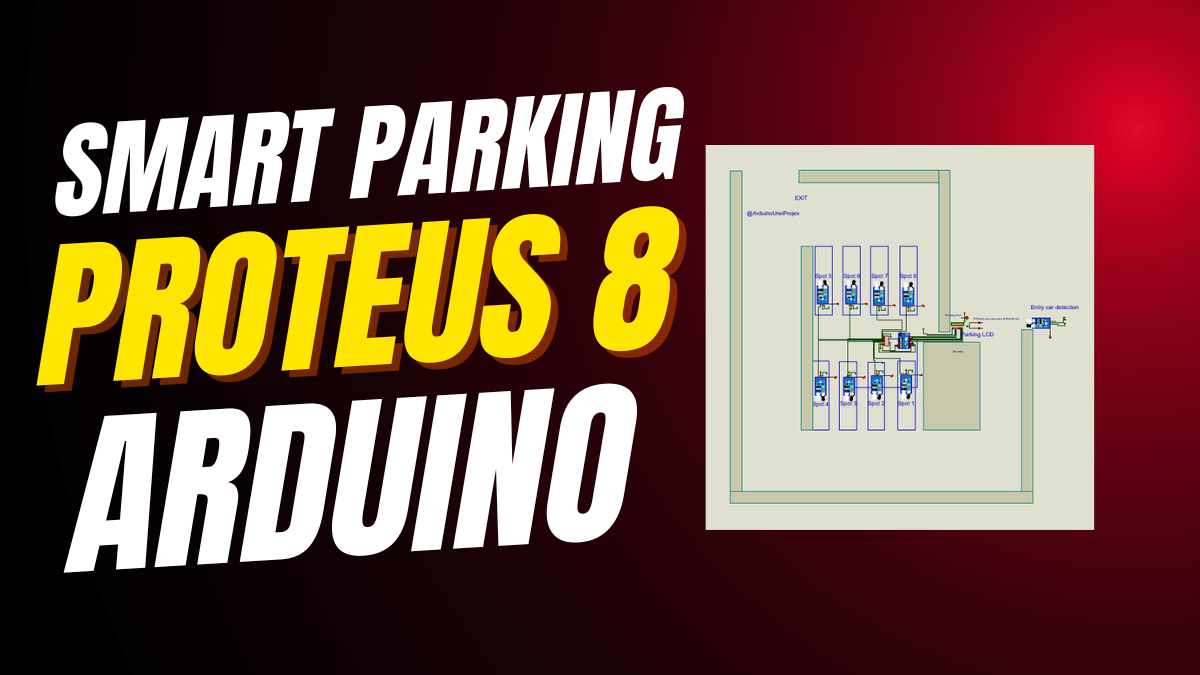
    Build a smart parking system.

    It uses sensors, lights, and moving gates.

    It shows real-time status on a screen.

    And it teaches you core skills fast.

    No prior knowledge needed.

    Just follow the steps.

    This is one of the best Arduino projects for beginners.

    It’s fun. It’s visual. It’s rewarding.

    Why This Smart Parking System Is Perfect for Arduino Projects Beginner

    Parking is hard in cities.

    Cars circle around looking for space.

    Now imagine a system that shows free spots instantly.

    That’s what you’ll build.

    And it’s perfect for Arduino projects beginner.

    Because it uses simple parts.

    It runs on cheap hardware.

    Yet it feels like real tech.

    You learn sensor reading.

    You learn how servos move.

    You learn how screens display data.

    All in one Arduino projects beginner build.

    Plus, you can show it off.

    Kids love it.

    Teachers praise it.

    It’s great for science fairs.

    What You’ll Learn in This Arduino Projects Beginner Guide

    This isn’t just about building.

    It’s about learning key skills used in every Arduino projects beginner path.

    • Sensor Input: Read 8 IR sensors using only 3 pins.
    • Shift Registers: Use 74HC165 to save digital pins.
    • LCD Display: Show live data on a 16×2 screen.
    • Servo Control: Open and close gates automatically.
    • LED Feedback: Green = open, red = full — instant signals.

    Each step builds your confidence.

    By the end, you’ll understand how real systems work.

    And you’ll be ready for more Arduino projects beginner level or beyond.

    Parts Needed for Your Arduino Projects Beginner Parking System

    You don’t need rare parts.

    All components are common and low-cost.

    Here’s your full list for this Arduino projects beginner idea:

    • Arduino Uno (or Elegoo equivalent)
    • 74HC165 shift register – saves pin count
    • 8 IR sensors – detect cars in each spot
    • 2 extra IR sensors – for entry and exit detection
    • 2 servo motors – control gate movement
    • 16×2 LCD display – shows parking status
    • Green LED + Red LED – visual feedback
    • 2 x 220Ω resistors – protect LEDs
    • 8 x 10kΩ pull-down resistors – stabilize sensor readings
    • Breadboard and jumper wires – easy connections

    💡 Tip: Most Elegoo starter kits include all these parts.

    So if you’re starting out, get an Elegoo Super Starter Kit.

    You’ll use them again in future Arduino projects beginner builds.

    How the Arduino Projects Beginner Parking System Works

    Let’s break it down simply.

    Eight parking spots have sensors.

    Each sensor tells the Arduino if a car is there.

    But instead of using 8 pins, we use a 74HC165 shift register.

    It reads all 8 sensors using just 3 Arduino pins.

    Smart, right?

    When a car arrives at the entrance, the IR sensor detects it.

    If any spot is free, the green LED turns on.

    The entry gate opens via servo motor.

    After 500ms, it closes.

    If no spots are free, the red LED blinks.

    The gate stays closed.

    On exit, another IR sensor triggers the exit gate.

    It opens briefly and closes.

    Meanwhile, the LCD updates every half second.

    It shows “Y” for free spots and “X” for taken ones.

    All of this makes sense when you see it run.

    And it’s all part of one complete Arduino projects beginner experience.

    Wiring Guide for Your Arduino Projects Beginner Build

    Good wiring means success.

    Follow these steps carefully.

    Connect the 74HC165 Shift Register

    This chip is key to saving pins.

    Wire it like this:

    • D0–D7 → 8 parking IR sensors
    • SH/LD → Arduino A1
    • CLK → Arduino Pin 3
    • SO (Serial Output) → Arduino Pin 2
    • VCC → 5V
    • GND → Ground

    Add a 10kΩ resistor from each sensor to GND.

    This stops false readings.

    Hook Up LCD, LEDs, and Servos

    Use standard 4-bit mode for the LCD:

    • RS → 13
    • E → 12
    • D4 → 11
    • D5 → 10
    • D6 → 9
    • D7 → 8

    Green LED → Pin 7 (with 220Ω resistor to GND)

    Red LED → Pin 6 (same setup)

    Entry Gate Servo → A2

    Exit Gate Servo → A3

    Entry IR Sensor → Pin 4

    Exit IR Sensor → Pin 5

    💡 Pro Tip: Power servos separately if they jitter.

    USB power alone may not be enough.

    Arduino projects beginner

    Arduino Code for This Arduino Projects Beginner System

    The code uses three libraries: LiquidCrystal, Wire, and Servo.

    They come with Arduino IDE.

    No download needed.

    #include <Wire.h>
    #include <LiquidCrystal.h>
    #include <Servo.h>
    
    // LCD pins
    LiquidCrystal lcd(13, 12, 11, 10, 9, 8);
    
    // 74HC165 pins
    #define SH_LD A1 // Shift/Load Bar pin
    #define CLK 3    // Clock pin
    #define SO 2     // Serial Output pin
    
    // LEDs
    #define green 7  // Green LED for gate open
    #define red 6    // Red LED for parking full
    
    // IR sensors
    #define ENTRY_SENSOR 4 // Entry sensor pin
    #define EXIT_SENSOR 5  // Exit sensor pin
    
    // Servo motors
    Servo entryGateServo; // Servo for entry gate (A2)
    Servo exitGateServo;  // Servo for exit gate (A3)
    
    // Number of parking spots
    const int NUM_SPOTS = 8;
    bool spots[NUM_SPOTS]; // Parking spot statuses
    int freeSpots = NUM_SPOTS; // Counter for free spots
    
    void setup() {
      // LCD setup
      lcd.begin(16, 2);
      lcd.clear();
    
      // Servo setup
      entryGateServo.attach(A2);
      exitGateServo.attach(A3);
      entryGateServo.write(0); // Keep entry gate closed
      exitGateServo.write(0);  // Keep exit gate closed
    
      // 74HC165 control pins
      pinMode(SH_LD, OUTPUT);
      pinMode(CLK, OUTPUT);
      pinMode(SO, INPUT);
    
      // LEDs
      pinMode(green, OUTPUT);
      pinMode(red, OUTPUT);
      digitalWrite(green, LOW);
      digitalWrite(red, LOW);
    
      // IR sensors
      pinMode(ENTRY_SENSOR, INPUT);
      pinMode(EXIT_SENSOR, INPUT);
    
      Serial.begin(9600);
    }
    
    void loop() {
      // Read parking spot statuses
      readShiftRegister(spots);
    
      // Calculate free spots
      freeSpots = 0;
      for (int i = 0; i < NUM_SPOTS; i++) {
        if (!spots[i]) {
          freeSpots++;
        }
      }
    
      // Handle entry
      if (digitalRead(ENTRY_SENSOR) == HIGH) {
        if (freeSpots > 0) {
          digitalWrite(green, HIGH);
          entryGateServo.write(90); // Open gate
          delay(500);
          entryGateServo.write(0);  // Close gate
          digitalWrite(green, LOW);
        } else {
          digitalWrite(red, HIGH);
          delay(500);
          digitalWrite(red, LOW);
        }
      }
    
      // Handle exit
      if (digitalRead(EXIT_SENSOR) == HIGH) {
        exitGateServo.write(90);
        delay(500);
        exitGateServo.write(0);
      }
    
      // Update LCD
      lcd.clear();
      lcd.setCursor(0, 0);
      lcd.print("1|2|3|4|5|6|7|8|");
      lcd.setCursor(0, 1);
      for (int i = 0; i < NUM_SPOTS; i++) {
        lcd.print(spots[i] ? "X|" : "Y|");
      }
    
      delay(500); // Refresh every 500 ms
    }
    
    // Function to read the shift register
    void readShiftRegister(bool ar[NUM_SPOTS]) {
      digitalWrite(SH_LD, LOW);  // Load parallel data
      delayMicroseconds(5);
      digitalWrite(SH_LD, HIGH); // Switch to shift mode
    
      for (int i = 0; i < NUM_SPOTS; i++) {
        digitalWrite(CLK, LOW);
        delayMicroseconds(5);
        ar[i] = digitalRead(SO); // Read bit
        digitalWrite(CLK, HIGH);
        delayMicroseconds(5);
      }
    }
    

    How the Code Works – Step by Step

    In setup(), the code starts the LCD, attaches servos, sets pin modes, and turns off LEDs.

    In loop(), it calls readShiftRegister().

    This function reads all 8 sensors through the 74HC165.

    It loads data, then shifts it out one bit at a time.

    Next, the code counts how many spots are free.

    If someone approaches the entrance and spots are free,

    the green LED lights up.

    The entry gate opens for half a second.

    If full, the red LED flashes.

    At exit, the exit gate opens automatically.

    Finally, the LCD updates with “X” for occupied and “Y” for free.

    It refreshes every 500 milliseconds.

    Fast. Clear. Functional.

    Testing Your Arduino Projects Beginner Parking System

    Upload the code first.

    Open the Serial Monitor at 9600 baud.

    It won’t print data, but confirms the board runs.

    Now test step by step.

    Cover one parking sensor.

    The LCD should change that spot from “Y” to “X”.

    Wave your hand at the entry sensor.

    If spots are free, green LED turns on.

    The entry gate opens briefly.

    Try the exit sensor too.

    The exit gate should open.

    Common Issues and Fixes

    • Sensors not responding? Check GND connections and add 10kΩ pull-down resistors.
    • Servos jittering? Use external 5V power.
    • LCD blank? Adjust contrast potentiometer or check wiring.
    • No gate movement? Confirm servo signal pin and power.

    Fix one thing at a time.

    Retest after each fix.

    Why Use a Shift Register in Arduino Projects Beginner Builds?

    Arduino Uno has limited pins.

    You need some for LCD.

    Some for servos.

    Some for LEDs.

    If you use 8 pins for sensors, you run out fast.

    The 74HC165 solves this.

    It reads 8 inputs using only 3 pins.

    That frees up your board.

    And it’s easy to use.

    So, this trick appears in many advanced Arduino projects beginner might later explore.

    Upgrade Ideas After Completing This Arduino Projects Beginner Project

    Once it works, make it better.

    Here are ideas to grow your skills:

    • Add Wi-Fi with ESP8266 to send data to a phone app.
    • Chain two 74HC165 chips to monitor 16 spots.
    • Replace servos with stronger motors or linear actuators.
    • Use ultrasonic sensors instead of IR for better accuracy.
    • Connect to Raspberry Pi for camera-based license plate recognition.

    Each upgrade teaches something new.

    Soon, you’ll be doing complex Arduino projects beginner once thought impossible.

    Final Thoughts: Start Your Arduino Projects Beginner Journey Today

    This smart parking system is ideal for Arduino projects beginner.

    It combines sensors, logic, output, and motion.

    It uses affordable parts.

    It gives instant visual results.

    And it prepares you for bigger things.

    So gather your kit.

    Follow the wiring.

    Upload the code.

    Watch it work.

    Feel proud.

    Then build the next one.

    👉 Get the Elegoo UNO Super Starter Kit – All Parts Included

    👉 Or grab the 37-in-1 Sensor Kit for More Arduino Projects Beginner Ideas

    You’ve got this.

    Now go make something awesome.

  • Blynkiot

    Blynkiot

    Control LEDs with Blynk

    You want to turn on lights from your phone.

    You don’t need a smart home system.

    You just need an Arduino and Blynk.

    This guide shows you how.

    No fancy tools.

    No expensive gear.

    Just a few parts and free apps.

    And yes — you can use Elegoo instead of Arduino.

    It works the same.

    And it costs way less.

    What Is Blynk and Why Use It With Arduino?

    Blynk is a free app that lets you control hardware from your phone.

    You can turn on lights.

    You can read sensors.

    You can make your Arduino talk to your phone.

    It works with Arduino Uno.

    It also works with Elegoo Uno.

    And even with Raspberry Pi.

    But today, we focus on Arduino.

    Why? Because it’s simple.

    And perfect for beginners.

    You don’t need Wi-Fi.

    You just plug in a USB cable.

    That’s it.

    Blynk sends signals over USB.

    Your Arduino listens.

    Then it turns LEDs on or off.

    What Parts Do You Need for This Project?

    You need only five things.

    And most of them are cheap.

    Here’s your full list:

    • Arduino Uno — or Elegoo Uno (same thing)
    • 2 LEDs — one red, one yellow
    • 2 resistors — 220Ω to 330Ω each
    • Breadboard and jumper wires — for easy connections
    • USB cable — to connect Arduino to your phone via computer

    You don’t need Wi-Fi.

    You don’t need Bluetooth.

    You don’t need extra shields.

    Just plug, code, and control.

    And if you’re starting out?

    Buy the Elegoo Super Starter Kit.

    It has all these parts — plus 33 projects.

    And it costs under $50.

    👉 Get the Elegoo UNO Super Starter Kit

    How to Wire the LEDs to Arduino Uno

    Connect the short leg of each LED to GND.

    That’s the negative side.

    Connect the long leg to a resistor.

    Then connect the other end of the resistor to a digital pin.

    Use pin 13 for the red LED.

    Use pin 12 for the yellow LED.

    Why these pins?

    Because Blynk uses virtual pins V0 and V1.

    We map V0 → Pin 13.

    We map V1 → Pin 12.

    Simple.

    Here’s how it looks:

    Arduino PinComponentBlynk Virtual Pin
    13Red LEDV0
    12Yellow LEDV1
    GNDBoth LED cathodes

    Double-check your wiring.

    Wrong polarity burns LEDs.

    Wrong resistor? LEDs glow too bright — or stay dark.

    Use 220Ω if unsure.

    It’s safe for both LEDs.

    How to Set Up the Blynk App on Your Phone

    Download Blynk from the App Store or Google Play.

    Open the app.

    Create a new project.

    Name it “LED Control.”

    Select “Arduino Uno” as your device.

    Choose “USB” for connection type.

    Click “Create.”

    The app will send you an Auth Token.

    Copy it.

    You’ll need it in your code.

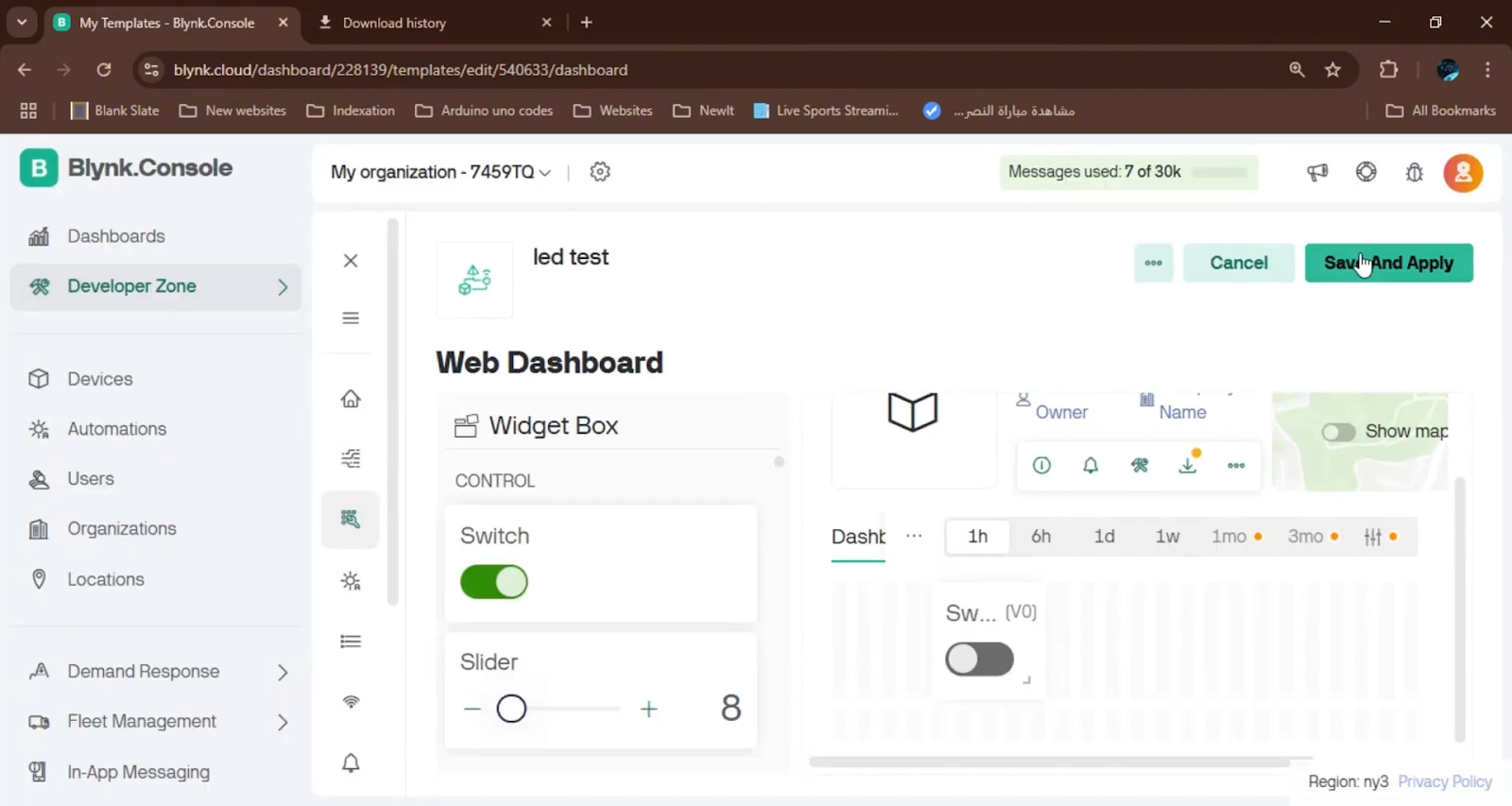
    Now add two buttons.

    Tap the “+” icon.

    Add a Button widget.

    Set it to Virtual Pin V0.

    Label it “Red LED.”

    Add another button.

    Set it to Virtual Pin V1.

    Label it “Yellow LED.”

    Press “Play” in the top right.

    Now your phone is ready.

    Next, code the Arduino.

    Arduino Code to Control Two LEDs via Blynk

    #include <BlynkSimpleStream.h>
    
    // Your Blynk Auth Token (paste your own from the app)
    char auth[] = "YOUR_AUTH_TOKEN_HERE";
    
    // Define LED pins
    const int redLed = 13;
    const int yellowLed = 12;
    
    void setup() {
      // Start serial communication at 9600 baud
      Serial.begin(9600);
      
      // Start Blynk over Serial
      Blynk.begin(auth, Serial);
      
      // Set LED pins as outputs
      pinMode(redLed, OUTPUT);
      pinMode(yellowLed, OUTPUT);
      
      // Turn both LEDs off at startup
      digitalWrite(redLed, LOW);
      digitalWrite(yellowLed, LOW);
    }
    
    void loop() {
      // Keep Blynk running
      Blynk.run();
    }
    
    // When V0 button is pressed (Red LED)
    BLYNK_WRITE(V0) {
      int buttonState = param.asInt();
      digitalWrite(redLed, buttonState);
    }
    
    // When V1 button is pressed (Yellow LED)
    BLYNK_WRITE(V1) {
      int buttonState = param.asInt();
      digitalWrite(yellowLed, buttonState);
    }
    

    Replace YOUR_AUTH_TOKEN_HERE with the token from the Blynk app.

    Don’t forget the quotes.

    Upload the code to your Arduino.

    Use the Arduino IDE.

    It works with Elegoo boards too.

    No extra drivers needed.

    Just plug in the USB cable.

    How the Code Works — Simple Breakdown

    First, you load the Blynk library.

    It lets Arduino talk to the app.

    Then you add your Auth Token.

    This is your secret key.

    It links your phone to your board.

    Next, you set pin modes.

    Pin 13 becomes an output.

    Pin 12 becomes an output.

    At startup, both LEDs turn off.

    Then the loop runs forever.

    Blynk.run(); keeps the connection alive.

    Now the magic happens.

    When you press the Red LED button on your phone,

    Blynk sends a signal to V0.

    The code sees it.

    Then it turns pin 13 HIGH or LOW.

    The same thing happens for V1 and the yellow LED.

    Each button press = one command.

    No delay.

    No lag.

    It’s instant.

    Testing Your Project Step by Step

    Upload the code to your Arduino.

    Open the Serial Monitor.

    You should see “Connecting…”

    Now open the Blynk app on your phone.

    Tap the Play button.

    Wait for the green dot.

    It means you’re connected.

    Tap the Red LED button.

    The LED turns on.

    Tap it again.

    The LED turns off.

    Do the same with the Yellow LED.

    If it works?

    You just built your first IoT project.

    No Wi-Fi.

    No cloud.

    Just your phone and a USB cable.

    That’s real power.

    Elegoo vs Arduino: Which One Should You Use?

    Arduino costs $25–$30.

    Elegoo costs $8–$12.

    Both use the same chip: ATmega328P.

    Both work with the same code.

    Both use the same USB chip: ATmega16U2.

    That means no driver issues.

    Plug in Elegoo.

    It shows up as “Arduino Uno.”

    Just like the real one.

    So why pay more?

    Unless you’re selling a product,

    use Elegoo.

    It’s cheaper.

    It’s reliable.

    It’s made for learners.

    👉 Buy Arduino Uno

    👉 Buy Elegoo UNO Super Starter Kit (includes board + parts)

    Top 5 Must-Have Arduino/Elegoo Accessories

    You’ll need these for more projects.

    Here are the best picks:

    Buy the sensor kit first.

    It teaches you how sensors work.

    Then add jumper wires.

    They make every project easier.

    Why This Project Is Perfect for Beginners

    You don’t need coding experience.

    You don’t need electronics knowledge.

    You just follow the steps.

    Wiring? Easy.

    Code? Copy and paste.

    App? Download and tap.

    And you get results.

    Real results.

    You control lights from your phone.

    That feels like magic.

    But it’s not magic.

    It’s learning.

    This project builds confidence.

    After this, you’ll try temperature sensors.

    Then motors.

    Then Wi-Fi.

    And one day — you’ll build something big.

    Troubleshooting: What If It Doesn’t Work?

    LED stays off?

    Check the resistor.

    Check the LED direction.

    Is the cathode (short leg) connected to GND?

    Serial monitor says “Connecting…” forever?

    Did you select “USB” in Blynk?

    Did you paste the right Auth Token?

    Is the USB cable data-enabled?

    Some cables only charge.

    Try another cable.

    Blynk app crashes?

    Restart your phone.

    Reinstall the app.

    Still stuck?

    Comment below.

    We help you fix it.

    Expand This Project: Ideas to Try Next

    You’ve mastered LED control.

    Now level up.

    • Add a button to blink both LEDs at once.
    • Use a slider to dim the LEDs. (Change BLYNK_WRITE to analog value.)
    • Connect a light sensor. Turn on LED when room gets dark.
    • Make a night light. Auto-on at sunset, auto-off at sunrise.
    • Control it from two phones. Share your Blynk project with a friend.

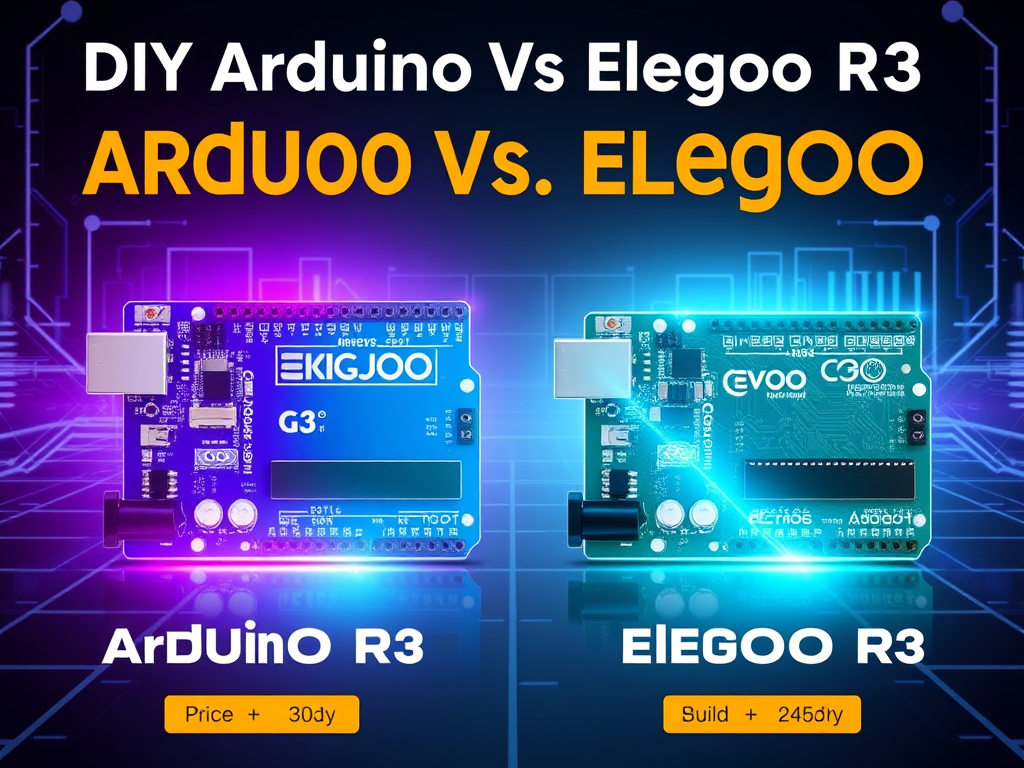
  • Elegoo vs Arduino

    Elegoo vs Arduino

    Elegoo vs Arduino

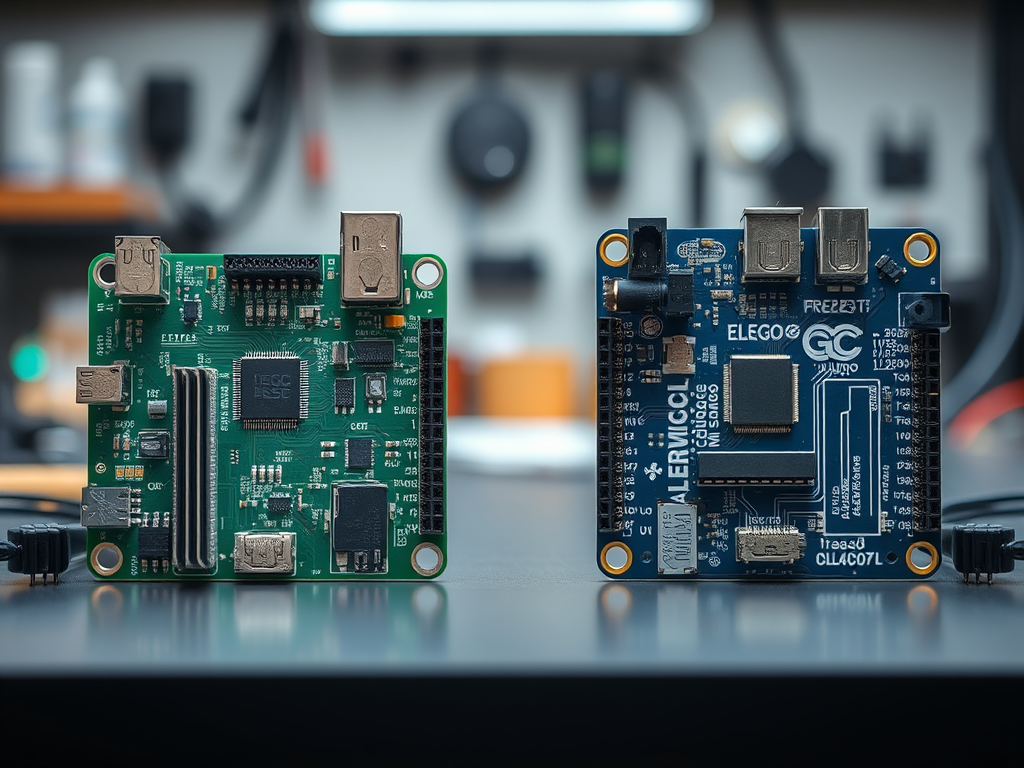
    Many beginners feel confused when they see two nearly identical boards online.

    One says “Arduino.” The other says “Elegoo.”

    They look the same. They cost very different prices.

    So which one should you pick?

    Let’s cut through the noise.

    You don’t need to spend $45 on an official Arduino to start learning.

    In fact, most experts agree: Elegoo is the smarter choice for beginners.

    And here’s why.

    Why Elegoo Isn’t a Copy — It’s a Gift

    Arduino didn’t hide their designs.

    In 2005, they made their schematics open source.

    This decision changed everything.

    It let students, hobbyists, and makers build without paying high prices.

    Elegoo follows those open rules.

    They don’t steal.

    They build on top of what Arduino gave to the world.

    That’s not piracy.

    That’s how innovation spreads.

    Arduino’s founder even said: “We made this so anyone could build.”

    So if you buy an Elegoo board, you’re not hurting them.

    You’re helping keep the maker movement alive.

    Elegoo Uno R3 vs Arduino Uno R3: The Real Difference

    The Arduino Uno R3 costs $25 to $30.

    The Elegoo Uno R3 costs just $8 to $12.

    And guess what?

    They use the exact same chip: the ATmega328P-PU.

    Both have 14 digital pins.

    Both have 6 analog inputs.

    Both have 6 PWM outputs.

    Both have 32 KB of flash memory.

    But here’s the big secret.

    Most cheap clones use a CH340 USB chip.

    That chip needs drivers.

    Drivers cause headaches on Macs and Linux.

    Elegoo? They use the real ATmega16U2 chip — just like Arduino.

    Plug it in.

    No drivers needed.

    Your computer sees it as “Arduino Uno.”

    It just works.

    That’s why Elegoo beats most clones.

    And that’s why teachers recommend it.

    ✅ Best for: First-time coders, school projects, learning sensors.

    👉 Grab the Elegoo Uno R3 Board (ATmega328P + ATmega16U2)

    Elegoo Mega 2560 vs Arduino Mega 2560: Power on a Budget

    Need more pins? More memory? More power?

    The Arduino Mega 2560 costs $40–$45.

    The Elegoo Mega 2560 R3 costs only $15–$20.

    Both use the ATmega2560 microcontroller.

    Both have 54 digital I/O pins.

    Both have 16 analog inputs.

    Both have 256 KB flash memory and 8 KB SRAM.

    And again — both use the real ATmega16U2 USB chip.

    No driver problems.

    No mystery failures.

    Reddit users swear by Elegoo Mega boards.

    They use them in 3D printers.

    They use them in CNC machines.

    They use them in robotics.

    And they never had issues.

    ✅ Best for: Robotics, 3D printers, multi-sensor projects.

    👉 Get the Elegoo Mega 2560 R3 (Official Amazon Listing)

    👉 Or this verified alternative

    Elegoo Nano V3.0 vs Arduino Nano: Tiny Boards, Big Value

    The Arduino Nano costs $20–$25.

    The Elegoo Nano V3.0 costs only $5–$8.

    Both use the ATmega328P chip.

    Both are the same size: 18 x 45 mm.

    Both use the CH340 USB chip.

    Wait — didn’t you say CH340 is bad?

    Yes — but here’s the twist.

    The Nano is so small that drivers are easier to install.

    And Elegoo sells them in packs of three.

    For under $20, you get three Nano boards.

    Perfect for testing multiple sensors.

    Perfect for IoT nodes.

    Perfect for drone controllers.

    ✅ Best for: Compact builds, wearables, drone controllers.

    👉 Buy 3 Elegoo Nanos on Amazon

    Arduino Uno R4 WiFi: The Only Board You Should Buy Official

    Arduino released the Uno R4 WiFi in 2023.

    It’s not just an update.

    It’s a whole new chip.

    It uses an ARM Cortex-M4 processor.

    It has built-in Wi-Fi and Bluetooth.

    It has 32 KB of RAM — that’s 16 times more than the R3.

    It’s faster.

    It’s smarter.

    And Elegoo? They have no R4 equivalent yet.

    So if you need Wi-Fi or Bluetooth?

    Buy the official Arduino Uno R4 WiFi.

    But if you’re learning?

    Stick with the R3.

    It’s cheaper.

    It’s simpler.

    It teaches you the basics without extra noise.

    ✅ Verdict: Learn on R3. Upgrade to R4 WiFi when you’re ready.

    👉 Official Arduino Uno R4 WiFi (if you need Wi-Fi)

    Elegoo Leonardo vs Arduino Leonardo: Native USB Magic

    The Arduino Leonardo costs $22–$28.

    The Elegoo Leonardo costs only $9–$13.

    Both use the ATmega32U4 chip.

    Both have native USB.

    That means they can act like keyboards or mice.

    That’s huge for custom input devices.

    Want to build a game controller?

    Want to make a MIDI device?

    Want to create a custom keyboard?

    Both boards handle it.

    Elegoo Leonardo works 100%.

    No drivers.

    No surprises.

    ✅ Best for: HID projects, custom input devices.

    👉 Get the Elegoo Leonardo Board

    Elegoo Super Starter Kit: Why It Destroys Arduino’s Kit

    The official Arduino Starter Kit costs around $100.

    It includes 10+ sensors, a breadboard, and a physical book.

    It’s nice.

    But Elegoo’s Super Starter Kit? It’s better.

    It costs only $45.

    It includes over 200 components.

    It has 33 step-by-step projects.

    It comes with a large breadboard.

    It has better wires than the official kit.

    And the tutorials? They’re free.

    PDF guides.

    Video instructions.

    You can pause.

    You can rewind.

    You can watch them on your phone.

    That’s more flexible than a printed book.

    ✅ You get more for less.

    ✅ You learn faster.

    ✅ You build more.

    👉 Elegoo UNO Super Starter Kit — 33 Projects, $45

    👉 Or this ultra-popular version with 24 projects

    Arduino vs Elegoo: Who Should Buy What?

    Let’s make this simple.

    If you’re a student?

    Buy Elegoo.

    If you’re on a budget?

    Buy Elegoo.

    If you’re learning sensors, motors, or LEDs?

    Buy Elegoo.

    It gives you more parts.

    It gives you more projects.

    It gives you more room to fail.

    And that’s how you learn.

    But if you’re building something to sell?

    Then buy official Arduino.

    Why?

    Because long-term support matters.

    Because warranties matter.

    Because customers trust the brand.

    And if you can afford both?

    Buy Elegoo first.

    Learn everything.

    Then buy one official Arduino.

    Support the open-source community.

    That’s the smartest move.

    FAQ: Your Top Arduino vs Elegoo Questions Answered

    Can I use the Arduino IDE with Elegoo boards?

    Yes — easily.

    Open the Arduino IDE.

    Go to Tools → Board.

    Select “Arduino Uno.”

    That’s it.

    You don’t need extra drivers.

    You don’t need special software.

    Just upload your code.

    It works.

    Are Elegoo boards reliable?

    Yes — better than most people think.

    Over 16,000 Amazon reviews for Elegoo Mega boards average 4.7 stars.

    People use them daily.

    They don’t break.

    They don’t overheat.

    They connect without problems.

    That’s reliability.

    Do Elegoo boards work with Arduino shields?

    Yes — 100%.

    The pin layout is identical.

    The voltage matches exactly.

    The spacing is the same.

    Stack your motor shield.

    Plug in your LCD shield.

    Add your Ethernet shield.

    Everything fits.

    No adapters needed.

    Is Elegoo stealing from Arduino?

    No — not even close.

    Arduino released their designs as open source.

    That means anyone can copy them.

    Elegoo follows those rules.

    They don’t hide the source.

    They don’t claim ownership.

    They just make it affordable.

    Should I feel guilty buying Elegoo?

    No — not at all.

    Arduino’s founder said: “We made this so anyone could build.”

    Buying Elegoo helps that dream live.

    More people learn.

    More people create.

    More people join the community.

    And if you can afford it?

    Buy one official Arduino each year.

    That’s how you give back.

    Final Advice: Start With Elegoo. Then Support Arduino.

    Start with the Elegoo Super Starter Kit.

    Build your first robot car.

    Burn a few LEDs.

    Make a light sensor.

    Connect a motor.

    Fail. Try again.

    Fail again.

    Then succeed.

    That’s learning.

    Then — when you’re ready — buy one official Arduino board.

    It’s a small price to pay.

    But it helps keep open-source hardware alive.

    You get the best of both worlds.

    Low cost to start.

    High support to grow.

    That’s the maker way.

    👉 Get the Elegoo UNO Super Starter Kit — 33 Projects, $45

    👉 Need more pins? Grab the Elegoo Mega 2560

            // Define pin connections
            const int trigPin = 9;
            const int echoPin = 10;
            const int ledPin = 8;
            
            // Set a distance threshold for detecting movement (in cm)
            const int movementThreshold = 50; // Adjust this to your desired distance
            
            void setup() {
            
              // Initialize pin modes
              pinMode(trigPin, OUTPUT);
              pinMode(echoPin, INPUT);
              pinMode(ledPin, OUTPUT);
            
              // Start Serial Monitor for debugging
              Serial.begin(9600);
              Serial.println("Starting distance sensor...");
            }
            
            void loop() {
            
              // Trigger the sensor to send out a pulse
              digitalWrite(trigPin, LOW);
              delayMicroseconds(2);
              digitalWrite(trigPin, HIGH);
              delayMicroseconds(10);
              digitalWrite(trigPin, LOW);
            
              // Measure the duration of the pulse
              long duration = pulseIn(echoPin, HIGH);
            
              // Calculate distance (in cm)
              int distance = duration * 0.034 / 2;
            
              // Print distance to Serial Monitor for debugging
              Serial.print("Distance: ");
              Serial.print(distance);
              Serial.println(" cm");
            
              // Check if an object is within the threshold distance
              if (distance > 0 && distance <= movementThreshold) {
                Serial.println("Object detected within range. Turning LED on.");
                digitalWrite(ledPin, HIGH); // Turn on the LED
              } else {
                Serial.println("No object detected or out of range. Turning LED off.");
                digitalWrite(ledPin, LOW); // Turn off the LED
              }
            
              // Delay to avoid overwhelming the sensor
              delay(200);
            }
        

    Every line of code you write works the same on Elegoo and Arduino.

    That’s the beauty of open source.

    Now go build something.

    And don’t wait for perfection.

    Start today.

    With Elegoo.

    Then support Arduino tomorrow.

    You’ve got this.

  • Extend Arduino Inputs and Outputs

    Extend Arduino Inputs and Outputs

    Arduino extended inputs and outputs

    Extend Arduino Inputs and Outputs

    Many Arduino projects hit a wall. You run out of pins. You need more buttons. You want more LEDs. But your Arduino only has so many digital ports. That’s where smart chips come in.

    Instead of using 16 pins for 8 buttons and 8 LEDs, you can do it with just 6. That’s a huge saving. It frees up space. It cuts down wiring. It makes your build cleaner.

    This guide shows you exactly how. You’ll learn to use two powerful chips: the 74HC165 shift register and the 74HC4051 analog multiplexer. Together, they turn a tiny Arduino into a powerful controller.

    Why Use Shift Registers and Multiplexers?

    You don’t need more Arduino boards. You don’t need a Raspberry Pi. You just need two small chips.

    Shift registers let you read many inputs through one wire. Multiplexers let you control many outputs using one PWM pin. Both save pins. Both cut cost. Both make projects smarter.

    Most beginners think they need 8 pins for 8 buttons. That’s wrong. With the 74HC165, you use only 3 pins. Same for LEDs. With the 74HC4051, you control 8 LEDs with just 1 PWM pin and 3 address lines.

    This method works for any microcontroller. Not just Arduino. Not just Uno. It works on Nano, Mega, Pico, even ESP32. The logic stays the same.

    What Is the 74HC165 Shift Register?

    The 74HC165 is a parallel-in, serial-out shift register. That means it grabs 8 inputs at once. Then sends them out one by one.

    Connect 8 buttons to its input pins. Each button is a digital signal: high or low. When you trigger the chip, it reads all 8 at the same time.

    Then, it sends those 8 bits out through a single data pin. Your Arduino reads them as a byte. One read. Eight buttons.

    This chip uses only 3 Arduino pins: clock, load, and data. That’s it. No extra resistors. No complex code. Just simple timing.

    It’s cheap. You can buy 10 for under $2. It’s reliable. It’s used in keyboards, game controllers, and industrial systems.

    How the 74HC165 Reads 8 Buttons

    First, connect each button to one of the 74HC165’s input pins. Use pull-down resistors. Or use the Arduino’s internal pull-ups.

    Then, connect three Arduino pins to the chip:

    CLK (Clock) → Arduino pin 2

    LOAD → Arduino pin 3

    Q7 (Data Out) → Arduino pin 4

    When you press a button, it pulls the input high. The chip stores that state.

    To read the buttons, you send a low pulse to the LOAD pin. That tells the chip to lock in the current button states.

    Then, you send 8 clock pulses. Each pulse moves one bit out. You read each bit with digitalRead().

    Put all 8 bits together. You get one byte. Each bit tells you if a button is pressed (1) or not (0).

    This happens fast. In under 1 millisecond. Your project feels instant. No lag. No delay.

    What Is the 74HC4051 Multiplexer?

    The 74HC4051 is an analog multiplexer. It acts like a rotary switch. You pick one of eight paths. Then you connect it to a common output.

    In this project, we use it to control LEDs. Not to read sensors. Not for analog signals. Just for turning LEDs on and off.

    You connect 8 LEDs to its 8 output channels. You connect the common pin to your PWM output on Arduino.

    Now, you control which LED gets power. You don’t need 8 PWM pins. You need just one.

    The chip uses three address pins (S0, S1, S2). Each combination of high and low selects a different LED.

    For example:

    – S0=0, S1=0, S2=0 → LED 1

    – S0=1, S1=0, S2=0 → LED 2

    – S0=0, S1=1, S2=0 → LED 3

    And so on. All the way to LED 8.

    That’s 3 pins for 8 outputs. You save 5 pins. That’s huge.

    How the 74HC4051 Controls 8 LEDs

    Connect the common output (COM) to Arduino pin 9. That’s your PWM pin.

    Connect S0, S1, S2 to Arduino pins 5, 6, and 7. These set which LED you pick.

    Each LED needs a current-limiting resistor. Use 220 ohms. Connect one end to the LED. Connect the other to the 74HC4051 channel.

    Now, in your code, you loop through each LED. For each one:

    – Set S0, S1, S2 to match the LED number

    – Check if the button for that LED is pressed

    – If pressed, toggle the LED state with XOR

    – Set PWM value to 255 (on) or 0 (off)

    That’s it. You don’t need 8 transistors. You don’t need 8 resistors per LED. Just one PWM pin and three control lines.

    XOR Logic: Toggle LEDs With One Line

    Here’s the smart part. You don’t use if-else. You don’t use state variables. You use XOR.

    XOR means “exclusive OR.” If both inputs are the same, output is 0. If they’re different, output is 1.

    So if the LED is OFF (0) and you press the button (1), then 0 XOR 1 = 1. The LED turns ON.

    If the LED is ON (1) and you press again, 1 XOR 1 = 0. The LED turns OFF.

    You don’t need to track if it’s on or off. The chip remembers. The button press flips it. Simple. Clean. Elegant.

    In code, it looks like this:

    buttonStates[i] ^= 1; // Toggle LED state
    

    That one line replaces a whole if-statement. It’s faster. It uses less memory. It’s perfect for embedded systems.

    Pin Connections: Full Wiring Guide

    74HC165 Shift Register Connections

    Here’s how to wire the 74HC165 to your Arduino:

    74HC165 PinArduino PinFunction
    1 (CLK)2Clock input
    2 (PL)3Parallel Load
    9 (Q7)4Data output
    16 (VCC)5VPower
    8 (GND)GNDGround
    3–8 (A–H)Buttons to GND8 button inputs

    Each button connects from the chip’s input to ground. Use a 10k resistor from each input to 5V. That keeps the signal high when not pressed.

    74HC4051 Multiplexer Connections

    74HC4051 PinArduino PinFunction
    1 (Y0)LED 1Output to LED
    2 (Y1)LED 2Output to LED
    3 (Y2)LED 3Output to LED
    4 (Y3)LED 4Output to LED
    5 (Y4)LED 5Output to LED
    6 (Y5)LED 6Output to LED
    7 (Y6)LED 7Output to LED
    15 (Y7)LED 8Output to LED
    16 (VCC)5VPower
    8 (GND)GNDGround
    10 (Z)D9PWM output
    11 (S0)D5Address bit 0
    12 (S1)D6Address bit 1
    13 (S2)D7Address bit 2

    Each LED gets a 220-ohm resistor between the chip and the LED’s anode. The cathode goes to ground.

    Full Arduino Code Explained

    Here’s the complete code. It runs in a loop. It reads buttons. It updates LEDs. It’s short. It’s clean. It’s efficient.

    // Pin definitions
    const int clkPin = 2;     // 74HC165 clock
    const int loadPin = 3;    // 74HC165 load
    const int dataPin = 4;    // 74HC165 data out
    
    const int s0 = 5;         // 74HC4051 address bit 0
    const int s1 = 6;         // 74HC4051 address bit 1
    const int s2 = 7;         // 74HC4051 address bit 2
    const int pwmPin = 9;     // PWM output for LED brightness
    
    // Button and LED states
    byte buttonStates = 0;
    byte ledStates = 0;
    
    void setup() {
      pinMode(clkPin, OUTPUT);
      pinMode(loadPin, OUTPUT);
      pinMode(dataPin, INPUT);
    
      pinMode(s0, OUTPUT);
      pinMode(s1, OUTPUT);
      pinMode(s2, OUTPUT);
      pinMode(pwmPin, OUTPUT);
    
      digitalWrite(loadPin, HIGH); // Start with load high
      analogWrite(pwmPin, 0);      // Start with LEDs off
    }
    
    void loop() {
      // Read all 8 buttons at once
      digitalWrite(loadPin, LOW);   // Load current button states
      delayMicroseconds(1);
      digitalWrite(loadPin, HIGH);  // Stop loading
    
      buttonStates = 0;
      for (int i = 0; i < 8; i++) {
        bitWrite(buttonStates, i, digitalRead(dataPin));
        digitalWrite(clkPin, HIGH);
        delayMicroseconds(1);
        digitalWrite(clkPin, LOW);
      }
    
      // Update each LED based on button press
      for (int i = 0; i < 8; i++) {
        // Set multiplexer to select LED i
        digitalWrite(s0, i & 1);
        digitalWrite(s1, (i >> 1) & 1);
        digitalWrite(s2, (i >> 2) & 1);
    
        // Toggle LED if button is pressed
        if (bitRead(buttonStates, i)) {
          ledStates ^= (1 << i);  // XOR toggle
        }
    
        // Set LED brightness: ON or OFF
        if (ledStates & (1 << i)) {
          analogWrite(pwmPin, 255); // Full brightness
        } else {
          analogWrite(pwmPin, 0);   // Off
        }
    
        delay(1); // Small delay for stability
      }
    
      delay(20); // Slow loop to avoid flicker
    }
    

    This code does everything. It reads buttons. It toggles LEDs. It sets brightness. It uses no extra libraries.

    It runs on any Arduino. Uno, Nano, Mega. Even a clone. It doesn’t need a fancy board.

    How This Saves Arduino Pins

    Without these chips, you’d need 16 pins. 8 for buttons. 8 for LEDs.

    With the 74HC165 and 74HC4051, you only need 6 pins.

    Here’s the breakdown:

    • 3 pins for the shift register (CLK, LOAD, DATA)
    • 3 pins for the multiplexer (S0, S1, S2)
    • 1 PWM pin shared for all LEDs (D9)

    That’s 7 pins total. Wait — the PWM pin is also used. So 7 pins.

    But you still need power and ground. Those aren’t counted as GPIO. So you save 9 pins.

    That’s 56% fewer pins used. You can now add sensors, displays, or radios. You’re not stuck.

    Real-World Uses for This Setup

    This isn’t just a lab trick. It’s used in real products.

    Think of a home automation panel. You have 8 buttons. You want 8 status lights. You don’t want 16 wires running to your controller.

    Or a MIDI controller. 8 knobs. 8 buttons. You need to send data to a computer. This setup cuts the wiring in half.

    Even robotics. You need 8 motor controls. You have a small microcontroller. This lets you drive 8 motors with 3 pins.

    It’s perfect for DIY arcade cabinets. Retro game controllers. Custom input devices.

    Any project where space, cost, or pin count matters.

    Buy the Right Parts — No Guessing

    You don’t need expensive parts. You don’t need original Arduino boards.

    Elegoo boards work great. They’re cheaper. They’re compatible. They use the same IDE.

    Here’s what you need:

    These parts cost under $15 total. You can build this project for less than a coffee.

    Common Mistakes and How to Fix Them

    Many people get this wrong. Here are the top 3 errors:

    Mistake 1: No Pull-Up Resistors

    If buttons don’t work, check the inputs. Without pull-ups, the signal floats. You get random readings.

    Solution: Add 10k resistors from each button input to 5V. Or enable internal pull-ups in code.

    Mistake 2: Wrong PWM Pin

    Not all Arduino pins support PWM. D9, D10, D11 work on Uno. D3, D5, D6, D9, D10, D11 work on Nano.

    Solution: Check your board’s pinout. Use a PWM-capable pin. Or use a transistor to boost the signal.

    Mistake 3: Too Fast Loop

    If LEDs flicker, your loop runs too fast. The multiplexer switches faster than the LED can respond.

    Solution: Add a 1ms delay after setting each LED. Add a 20ms delay at the end of the loop.

    Upgrade This Project: Add More

    You can chain shift registers. Connect two 74HC165 chips. Now you read 16 buttons with 3 pins.

    You can chain multiplexers. Use two 74HC4051 chips. Control 16 LEDs with 1 PWM pin and 4 address lines.

    Add a display. Use I2C. Only 2 pins needed. Show which buttons are pressed.

    Add a buzzer. Play a tone when a button is pressed. Make it interactive.

    Connect it to Bluetooth. Use HC-05. Send button states to your phone.

    This project is a foundation. It’s not the end. It’s the start.

    Test Your Build — Debug Step by Step

    Don’t plug everything in at once. Test in parts.

    First, test the shift register alone. Upload a simple sketch. Print buttonStates to Serial Monitor. Press buttons. See if bits change.

    Then, test the multiplexer. Manually set S0, S1, S2. Watch which LED lights up. Use a multimeter to check voltage.

    Finally, combine them. Add the XOR toggle. Watch the LEDs respond.

    If it fails, check wiring. Double-check pin numbers. Use a breadboard with good contacts.

    Final Thoughts: Smarter, Not Harder

    You don’t need a bigger Arduino. You don’t need a Raspberry Pi. You don’t need expensive shields.

    You just need to think smarter.

    Chips like the 74HC165 and 74HC4051 are tools. They’re not scary. They’re simple. They’re cheap.

    Use them to extend your projects. Save pins. Save money. Save space.

    This method works for beginners. It works for experts. It works for classrooms. It works for makers.

    Now you know how to control 8 inputs and 8 outputs with just 6 pins.

    Go build something cool.

    FAQ: Your Questions Answered

    Can I use this with ESP32?

    Yes. ESP32 has more pins, but this still saves them. Use any digital pins for CLK, LOAD, DATA, S0, S1, S2.

    Do I need transistors for the LEDs?

    No. The 74HC4051 can handle 20mA per channel. Most LEDs use 10–15mA. So it’s fine. No extra parts needed.

    Can I use analog buttons?

    Yes. Change the 74HC4051 to read analog values. Use it as a multiplexer for sensors. Read 8 potentiometers with one analog pin.

    Why not use a GPIO expander like PCF8574?

    PCF8574 uses I2C. It’s great. But it needs pull-up resistors. It’s slower. And it costs more. This method is faster. Cheaper. Simpler.

    Is this project safe for kids?

    Absolutely. Low voltage. No high power. No soldering needed. Use a breadboard. Supervise young makers. It’s a perfect STEM project.

    Ready to Build? Get Started Today

    You have everything you need. The code. The wiring. The parts list.

    Start small. Build one LED and one button. Make it work. Then add the rest.

    This project teaches you real electronics. Not just coding. Real hardware. Real problem solving.

    And best of all — you can build it in an afternoon.

    Proteus • library folder — Find Proteus library folder easily

    Arduino • Elegoo — Arduino vs Elegoo: the real difference in 2025 (which to buy)

    Arduino-compatible • board selection — Which Arduino-compatible board is right for you

    Happy building.